
- Sophia@polyflute.com
- +86 15162372874
- Mon - Sat 8:00-20:00

Polypropylene (PP) hollow sheets, also commonly referred to as corrugated plastic sheets, have gained significant popularity across industries due to their versatility, durability, and lightweight nature. Among the different types, lightweight PP hollow sheets stand out as an innovative solution for applications that require strength without excessive weight. In this article, we will provide a detailed introduction to lightweight PP hollow sheets, covering their composition, manufacturing, advantages, applications, and tips for selection and use.

Lightweight PP hollow sheets are plastic sheets made primarily from polypropylene (PP), a thermoplastic polymer known for its chemical resistance, mechanical strength, and lightweight properties. Unlike solid plastic sheets, hollow sheets feature a fluted structure with hollow channels sandwiched between two flat surfaces. This design reduces material use while maintaining rigidity and impact resistance, making them an ideal choice for applications requiring both strength and weight savings.
PP hollow sheets are composed mainly of polypropylene resin, often enhanced with additives such as:
These additives are incorporated during the extrusion process, ensuring consistent performance throughout the sheet.
The manufacturing of lightweight PP hollow sheets typically involves a process called extrusion:
The hollow structure can vary, with single-wall, double-wall, or multi-wall designs. Lightweight sheets often utilize thinner walls with optimized fluting to balance strength and weight.

Lightweight PP hollow sheets possess a combination of features that make them highly versatile:
Lightweight and Easy to Handle:
Their hollow structure significantly reduces weight compared to solid sheets, making transportation, installation, and handling easier. This is particularly beneficial in large-scale applications such as signage or temporary partitions.
High Impact Resistance:
Despite being lightweight, the fluted structure provides excellent impact resistance. The sheets can absorb shocks and resist dents, making them suitable for packaging, protective panels, or construction applications.
Waterproof and Chemical Resistant:
Polypropylene itself is resistant to water, moisture, and many chemicals, including acids, bases, and solvents. This makes lightweight PP hollow sheets ideal for outdoor use or industrial environments.
Recyclable and Environmentally Friendly:
PP sheets are 100% recyclable, contributing to sustainability. Many manufacturers also offer sheets made from recycled PP, aligning with green building and eco-friendly initiatives.
UV and Weather Resistant:
With proper UV stabilizers, lightweight PP hollow sheets can withstand prolonged sun exposure without significant degradation, making them suitable for outdoor signage, agricultural covers, or exterior panels.
Customizable:
These sheets can be produced in various thicknesses, colors, and sizes. They can also be printed, laminated, or perforated for specific applications, offering a high degree of flexibility.

The versatility of lightweight PP hollow sheets allows them to be used across a broad range of industries:
PP hollow sheets are widely used for packaging applications due to their lightweight, durable, and water-resistant properties. Examples include:
Lightweight PP sheets reduce shipping costs while protecting products from impact or moisture.
In construction, lightweight PP hollow sheets serve as:
Their water resistance, durability, and light weight make them highly practical for these applications.
Due to their smooth surface and ease of printing, lightweight PP hollow sheets are perfect for:
They can be easily cut, shaped, or folded into various sizes, allowing creative designs without compromising durability.
PP hollow sheets are increasingly used in agriculture for:
The lightweight yet sturdy nature of these sheets makes them easy to install and maintain in agricultural environments.
In automotive applications, lightweight PP hollow sheets are used as:
Reducing weight is crucial in transportation, and PP hollow sheets provide an optimal solution without sacrificing protection.
Industries such as electronics, chemicals, and manufacturing leverage PP hollow sheets for:
Their resistance to chemicals, water, and impact ensures long-term durability in demanding environments.
Lightweight PP hollow sheets outperform many traditional materials, including cardboard, wood, and solid plastic sheets, in several ways:

Choosing the appropriate lightweight PP hollow sheet requires consideration of several factors:
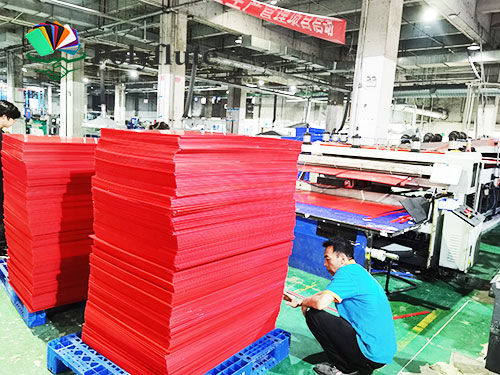
Lightweight PP hollow sheets have proven to be an indispensable material across multiple industries, offering a combination of strength, durability, and lightweight convenience. From packaging and construction to agriculture, signage, and industrial applications, these sheets provide practical, cost-effective, and environmentally friendly solutions. With ongoing innovations in material additives, structural design, and sustainability, the applications of lightweight PP hollow sheets will continue to expand, making them a versatile and reliable choice for modern needs.
When selecting PP hollow sheets, it is essential to consider thickness, UV resistance, fluting structure, and specific application requirements to maximize performance and longevity. With proper handling and maintenance, these sheets can deliver exceptional value for both short-term projects and long-term installations.
For businesses and professionals seeking lightweight, durable, and versatile plastic solutions, lightweight PP hollow sheets offer a perfect blend of practicality, sustainability, and performance.