
- Sophia@polyflute.com
- +86 15162372874
- Mon - Sat 8:00-20:00
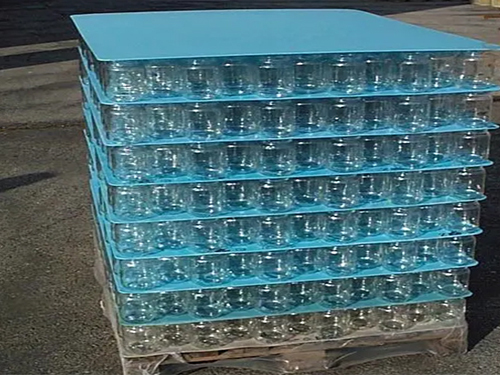
When dealing with bottled products, whether in the food and beverage sector, pharmaceuticals, cosmetics, or household goods, the question of storage and transportation always comes first. Bottles, being fragile and prone to damage under pressure, require protective solutions that ensure they arrive intact at their destination. This is where the stacking layer pad for bottles becomes an essential packaging companion. Rather than looking at definitions, let’s explore the practical aspects of these pads, focusing on the types available and the benefits they bring to industries relying on bottles.
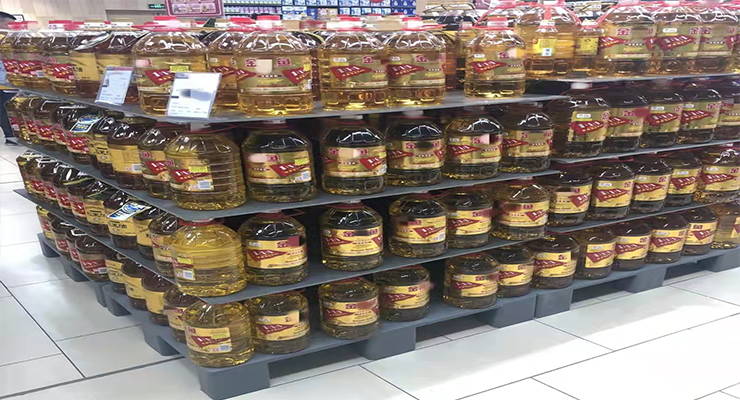
Plastic stacking layer pads for bottles are one of the most common choices across industries. They are generally made from polypropylene (PP) or polyethylene (PE), which are highly durable materials.
Industries transporting water, soda, beer, or juice often rely on plastic pads because they can handle high stacking loads and are long-lasting.
PP layer pads are highly durable and widely used in industries requiring repeated use.
These pads are particularly suitable for high-volume bottling operations where durability and hygiene are critical.
Corrugated plastic offers a lightweight yet sturdy alternative. Often manufactured from twin-wall polypropylene sheets, these pads provide cushioning and flexibility.
Wine, spirits, and bottled water suppliers commonly adopt corrugated plastic pads for economical and safe logistics.
Cardboard is still widely used due to its low cost and recyclability.
Cardboard layer pads are particularly popular with smaller-scale operations or companies focusing on sustainability initiatives.
For fragile or high-value bottles, foam stacking pads are an excellent choice.
Premium wine, champagne, perfume, and pharmaceutical companies often invest in foam layer pads to protect high-value products.
Some industries use hybrid stacking pads combining materials like plastic and foam or cardboard with protective coatings.
These hybrid options are less common but serve specialized markets where durability and product safety outweigh costs.
Beyond standard materials, some companies require fully customized stacking layer pads.
Custom pads are particularly useful for companies with unique bottle shapes or those running export-focused operations where logistics challenges are greater.
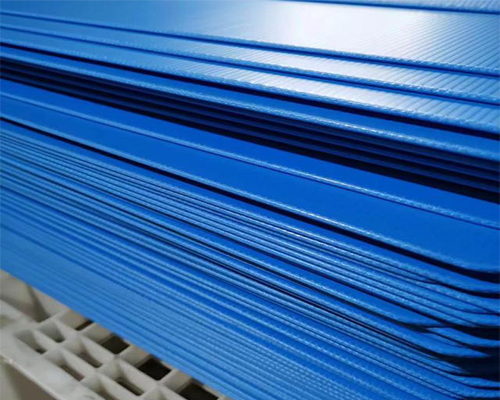
One of the most significant benefits of stacking layer pads is their ability to reduce breakage. When bottles are stacked without separation, pressure builds on the lower rows, leading to cracks or complete breakage. Pads distribute weight evenly across layers, ensuring every bottle remains intact.
Layer pads allow for vertical stacking, enabling companies to maximize the use of warehouse and transportation space. By stabilizing bottles, they permit higher stacks without increasing the risk of damage, leading to more efficient logistics.
Pads make handling pallets easier. Forklift operators can move stacks with confidence knowing the bottles are stabilized. This reduces handling time and minimizes the chance of accidents caused by shifting loads.
Plastic and coated layer pads, in particular, offer strong resistance to moisture, dust, and dirt. This ensures bottles remain clean and uncontaminated during long journeys, especially in industries like beverages and pharmaceuticals where hygiene is critical.
While the upfront investment for plastic or corrugated plastic layer pads may be higher than cardboard, they can be reused hundreds of times. This reduces the total cost per trip and provides a long-term saving for companies running continuous supply chains.
Many businesses are moving towards sustainable practices. Layer pads made from recyclable materials such as PP or cardboard align with eco-friendly goals. Reusable pads also reduce packaging waste, lowering environmental impact.
Modern warehouses rely heavily on automation. Stacking layer pads integrate seamlessly with robotic palletizers and depalletizers. Uniform pad dimensions enable smooth machine operations, reducing downtime and increasing productivity.
Cardboard and plastic pads can carry printed information such as product names, barcodes, or handling instructions. This aids in inventory management and enhances brand visibility during transportation and storage.
When products are stabilized and easier to handle, labor requirements decrease. Workers spend less time adjusting loads or dealing with damages, freeing them up for other tasks. Over time, this translates to measurable cost savings.
From breweries and wineries to cosmetics and pharmaceuticals, stacking layer pads adapt to various industries. Their versatility makes them a universal solution for any operation involving bottles.

Each of these applications highlights how stacking layer pads bridge the gap between efficiency and safety.
When selecting a pad, companies should consider:
A thoughtful evaluation ensures businesses balance protection, cost, and efficiency.

The stacking layer pad for bottles may seem like a small element in the logistics process, but its impact is far-reaching. By preventing breakage, optimizing storage, and aligning with sustainability goals, it provides industries with both immediate and long-term benefits. With a wide range of types—from cardboard to corrugated plastic, foam, and hybrid options—companies can choose the ideal solution for their needs.
As demand for safe, efficient, and sustainable packaging continues to grow, the role of stacking layer pads will remain central in bottle transportation and storage strategies worldwide.