
- Sophia@polyflute.com
- +86 15162372874
- Mon - Sat 8:00-20:00

In the fast-paced world of beverage manufacturing and packaging, maintaining product safety during storage and transportation is crucial. One often overlooked yet essential component in ensuring this safety is the Bottle Layer Pad. These pads, typically made of durable polypropylene (PP) material, play a pivotal role in protecting bottles from damage, minimizing breakage, and enhancing overall logistics efficiency. This article provides an in-depth introduction to Bottle Layer Pads, with a focus on their PP material composition, features, benefits, and applications.
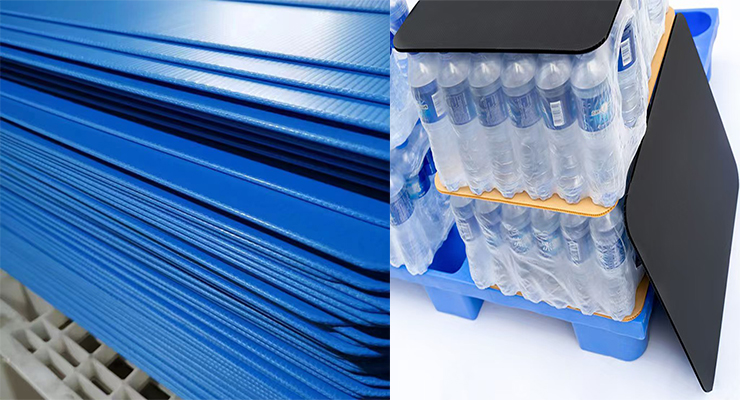
A Bottle Layer Pad is a flat sheet placed between layers of bottles within a carton or crate. Its primary function is to distribute weight evenly across stacked bottles and reduce friction between them. By doing so, it prevents bottles from cracking, breaking, or chipping during handling, storage, and transportation. These pads are especially critical in industries dealing with glass bottles, where fragile contents demand careful handling.
Traditionally, bottle layer pads were made of cardboard or paperboard. However, the shift towards more durable and reusable materials has led to the increasing adoption of PP (polypropylene) bottle layer pads. PP offers superior mechanical properties, chemical resistance, and moisture resistance compared to traditional cardboard, making it an ideal choice for modern packaging requirements.
Polypropylene (PP) is a thermoplastic polymer widely used in packaging, automotive parts, and consumer products due to its unique combination of properties. When used for bottle layer pads, PP offers several advantages over other materials:
High Strength and Durability
PP is known for its excellent tensile strength, which ensures that the bottle layer pad can withstand heavy loads without tearing or deforming. This property is crucial for stacking multiple layers of bottles, especially during transportation.
Chemical Resistance
Unlike paper or cardboard, PP does not absorb liquids and is resistant to many chemicals. This makes it suitable for beverage bottles that may occasionally leak or for environments where cleaning agents are used during warehouse operations.
Moisture Resistance
PP does not absorb water, which prevents swelling or weakening of the pad. This feature is particularly important in refrigerated or humid storage environments.
Reusable and Eco-Friendly Options
While PP is a plastic, its durability allows for multiple reuse cycles, reducing the need for single-use cardboard or paper pads. Some manufacturers also offer recyclable PP layer pads, contributing to sustainability initiatives.
Lightweight
Despite its strength, PP is relatively lightweight, which helps reduce shipping costs while maintaining structural integrity.
When selecting a PP Bottle Layer Pad, it is essential to understand the specific features that contribute to its performance:
PP bottle layer pads are widely used in industries where bottle integrity is critical. Common applications include:
The transition from traditional cardboard to PP material has brought several tangible benefits:
When selecting a PP Bottle Layer Pad, consider the following factors:
Manufacturers often provide customization options, allowing businesses to tailor the pads to their specific bottles and packaging systems.
One of the key advantages of PP bottle layer pads is their reusability. Proper maintenance can extend their lifespan and reduce operational costs:
While cardboard pads remain common due to their low initial cost, PP pads offer several advantages:
| Feature | PP Bottle Layer Pad | Cardboard Layer Pad |
|---|---|---|
| Durability | High; withstands multiple uses | Low; single-use, prone to tearing |
| Moisture Resistance | Excellent; waterproof | Poor; absorbs moisture and weakens |
| Chemical Resistance | Resistant to many chemicals | Low; can degrade with contact |
| Hygiene | Easy to clean; reusable | Difficult to clean; not reusable |
| Cost | Higher upfront, cost-effective long-term | Low upfront, higher long-term due to waste |
For businesses prioritizing product protection, sustainability, and long-term cost savings, PP layer pads are increasingly becoming the material of choice.
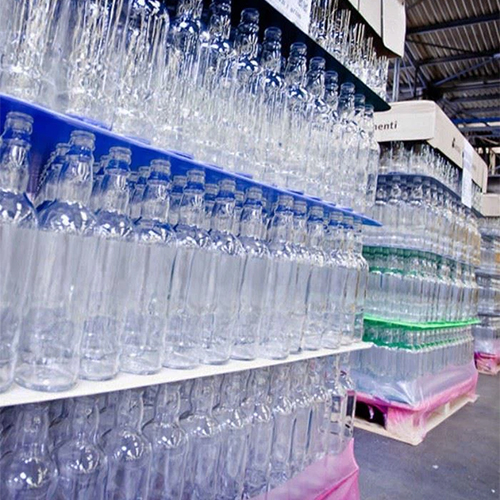
A Bottle Layer Pad is a small but critical component in bottle packaging systems. When made from PP material, it combines strength, durability, moisture resistance, and chemical resistance, making it a superior choice over traditional alternatives. From reducing bottle breakage to enhancing warehouse efficiency and promoting sustainability, the benefits of PP layer pads are numerous and tangible.
For industries relying on glass or fragile bottles, investing in high-quality PP bottle layer pads is not just a protective measure but a strategic decision that can save costs, improve operational efficiency, and support sustainable practices. As packaging technology evolves, the PP bottle layer pad will continue to play a central role in ensuring safe and efficient transport of bottled goods worldwide.