
- Sophia@polyflute.com
- +86 15162372874
- Mon - Sat 8:00-20:00
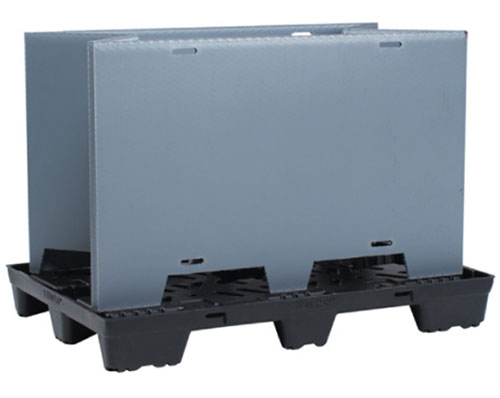
In today’s fast-paced world of logistics, warehousing, and industrial supply chains, efficiency and flexibility have become more critical than ever. Companies are constantly seeking innovative solutions to streamline storage, reduce transportation costs, and optimize workflow. Among the most effective tools for modern businesses are collapsible pallets, including collapsible pallet crates, collapsible pallet boxes, and collapsible pallet bins. These versatile products not only save space but also enhance safety, durability, and overall efficiency in material handling operations.
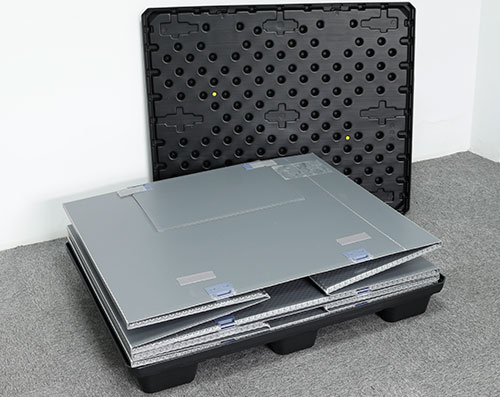
Collapsible pallet crates are sturdy containers built for transporting and storing goods safely. Typically made from durable plastic, metal, or composite materials, these crates are designed to withstand heavy loads while providing a stable platform for stacking. The collapsible feature allows the crate to fold down to a fraction of its original size, making storage and return transportation more efficient.
Key applications for collapsible pallet crates include:
Collapsible pallet boxes are similar to crates but typically offer larger storage volumes and stronger structural support. These boxes often feature reinforced corners and sidewalls to handle heavy or bulky items. Many models are stackable, making them ideal for warehouse storage systems or automated retrieval systems.
Common uses for collapsible pallet boxes include:
Collapsible pallet bins are large containers often used for bulk storage or loose items. They are ideal for industries that handle raw materials, recyclable waste, or agricultural products. Collapsible pallet bins are designed for easy folding, cleaning, and re-use, making them both cost-effective and environmentally friendly.
Typical industries using collapsible pallet bins:
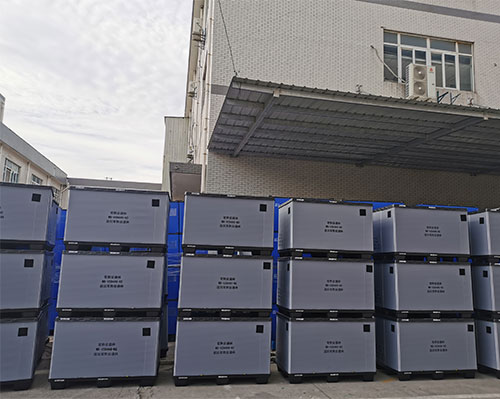
The adoption of collapsible pallets offers numerous advantages across logistics, warehousing, and supply chain operations. Let’s explore these benefits in detail.
One of the primary advantages of collapsible pallets is their ability to save space. When folded, these pallets occupy significantly less room than conventional pallets. This space efficiency is particularly valuable in:
By saving space, companies can reduce storage costs and improve operational efficiency.
Collapsible pallets help lower costs in multiple ways:
Many collapsible pallets are made from heavy-duty plastic or reinforced metal. This makes them resistant to wear, moisture, and chemical exposure. Unlike wooden pallets, collapsible pallets do not splinter, warp, or attract pests, which ensures safer and more reliable handling of goods.
Collapsible pallets are versatile in use, making them suitable for a wide range of industries. They can handle light, medium, or heavy loads, and their modular design allows for stacking, nesting, or integration with automated systems. Additionally, they come in various sizes to accommodate different storage and transportation requirements.
Reusable collapsible pallet crates, boxes, and bins significantly reduce the need for disposable packaging materials. They contribute to a circular economy by:
Collapsible pallets provide safer handling compared to traditional wooden pallets, which may have nails or splinters. Plastic and metal collapsible pallets minimize the risk of injury to workers. Some designs also include anti-slip surfaces to prevent products from shifting during transport.
The materials used in manufacturing collapsible pallets affect their durability, weight, and suitability for different industries. Common materials include:
Plastic is the most widely used material for collapsible pallets due to its lightweight, durability, and resistance to moisture and chemicals. High-density polyethylene (HDPE) and polypropylene (PP) are commonly used plastics for pallets, crates, boxes, and bins.
Metal collapsible pallets are highly durable and ideal for heavy-duty applications. They can handle extreme loads and harsh conditions, making them suitable for automotive, aerospace, and industrial manufacturing industries.
Some collapsible pallets combine plastic with reinforced fibers or metal reinforcements. This hybrid construction offers the strength of metal with the lightweight and corrosion-resistant benefits of plastic.
Collapsible pallets are used in a variety of industries for efficient storage, transportation, and material handling.
The food industry benefits from collapsible pallet crates for transporting fresh produce, packaged foods, and beverages. These pallets comply with hygiene standards, are easy to clean, and reduce contamination risks.
In automotive manufacturing, collapsible pallet boxes are used for transporting spare parts, engine components, and assembly materials. Their durability and stackable design improve efficiency in assembly lines and warehouses.
E-commerce and retail businesses rely on collapsible pallet bins and boxes for storing and shipping products. The collapsible design reduces warehouse congestion, optimizes logistics, and supports seasonal fluctuations in inventory.
Farmers and agricultural distributors use collapsible pallet bins to transport fruits, vegetables, grains, and other produce. The bins are designed to withstand weight, facilitate ventilation, and maintain product quality during transport.
In manufacturing industries, collapsible pallets handle raw materials, semi-finished goods, and finished products. They improve workflow, reduce damage to products, and optimize storage space.
Recyclable materials such as plastics, paper, and metals can be efficiently stored and transported using collapsible pallet bins. These bins simplify collection, sorting, and delivery to recycling centers.
When selecting a collapsible pallet, crate, box, or bin, consider the following factors:
Choose a pallet based on the weight of the items you intend to transport. Light-duty pallets are suitable for small or fragile items, while heavy-duty pallets handle larger and bulkier goods.
Select the material that aligns with your industry requirements. For food or pharmaceutical applications, hygienic plastic pallets are ideal. For heavy industrial use, metal or reinforced composite pallets are better suited.
Ensure the pallet dimensions are compatible with your warehouse racking system, transport vehicles, and automated handling equipment.
Some pallets fold partially, while others collapse completely flat. Consider the level of collapsibility needed for your storage and transportation optimization.
Stackable pallets maximize storage efficiency and stability during transport. Verify that pallets, crates, boxes, or bins can safely stack when filled.

Collapsible pallets are transforming storage and logistics operations worldwide. From collapsible pallet boxes to collapsible pallet bins, these solutions offer unparalleled advantages in space efficiency, cost reduction, durability, and versatility. They not only enhance operational workflows but also contribute to sustainability and workplace safety.
Investing in collapsible pallets is more than a logistics decision—it’s a strategic move toward more efficient, reliable, and environmentally responsible supply chain management. Whether you operate in food and beverage, automotive, retail, agriculture, or manufacturing, collapsible pallets can provide a tangible difference in efficiency, cost savings, and operational effectiveness. By understanding the types, applications, materials, and best practices, businesses can make informed decisions that drive long-term success.