
- Sophia@polyflute.com
- +86 15162372874
- Mon - Sat 8:00-20:00
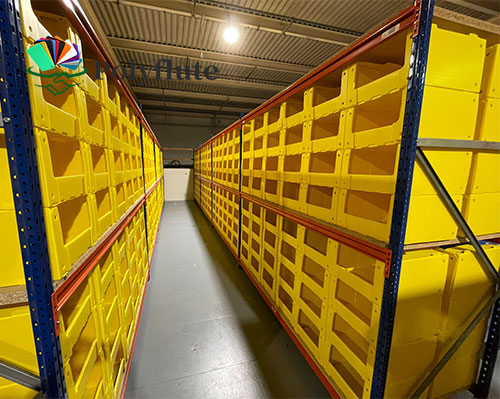
In any modern warehouse, proper storage is the backbone of efficiency. An organized inventory system ensures that workers can easily find, pick, and transport goods, while managers can maximize space and maintain order. Among the many storage solutions available, the PP Stackable Bin has become one of the most reliable and versatile options.
Made from polypropylene (PP), these stackable bins are not only lightweight and durable but also specifically designed to save space through stacking. In this article, we will take a comprehensive look at PP stackable bin sizes and types, giving warehouse operators clear insights into how to select the right bins for their unique needs.

A PP stackable bin is a container molded from polypropylene, a strong thermoplastic material. Unlike cardboard or flimsy plastic boxes, PP stackable bins are designed to endure heavy usage, resist moisture, and handle temperature fluctuations. Their defining feature is the ability to be stacked securely, ensuring that vertical space in a warehouse can be fully utilized.
Common characteristics of PP stackable bins include:
Before diving into the details of sizes and types, it’s useful to understand why so many warehouses choose PP stackable bins:
Whether in logistics, retail, manufacturing, or e-commerce, the PP stackable bin offers a balance of practicality and affordability.
When choosing a bin, size is the first and most important factor. Selecting the wrong size can lead to wasted warehouse space, inefficient workflows, or damaged products. To help you decide, let’s break down the common PP stackable bin sizes into categories:

By carefully selecting the right bin size, warehouses can ensure goods are stored compactly yet remain accessible when needed.

Size is only half of the equation. Different warehouse environments require different types of PP stackable bins, each designed with specific features and applications in mind.
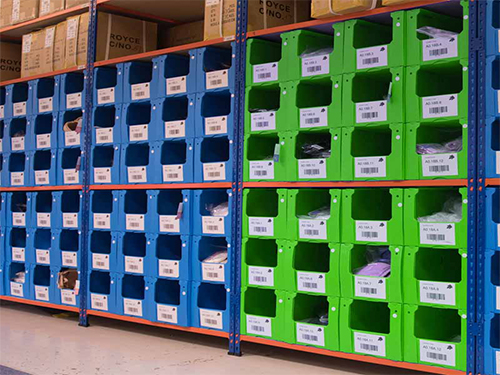
Design: Front side is open, even when stacked.
Advantage: Items can be picked without unstacking the bins.
Best Use: Small, frequently used items like fasteners, tools, or parts in assembly lines.
These bins improve picking speed and reduce handling time, making them especially useful in high-frequency operations where quick access is critical.
Design: Fully enclosed walls.
Advantage: Greater protection from dust and damage.
Best Use: Long-term storage or warehouses with sensitive products.
They provide a cleaner and more secure storage option, ensuring items remain undisturbed during prolonged warehouse storage.
Design: Stackable when full, nestable when empty.
Advantage: Saves valuable space when bins are not in use.
Best Use: Seasonal warehouses or businesses with fluctuating inventory.
These bins help optimize return logistics and minimize storage space, making them highly practical for dynamic operations.
Design: Reinforced sides and base with higher load capacity.
Advantage: Can hold heavy industrial or automotive parts without warping.
Best Use: Manufacturing plants and warehouses handling dense materials.
Their durability makes them a long-term investment, reducing replacement costs in demanding environments.
Design: Collapsible walls allow bins to fold flat.
Advantage: Saves space during return transportation or off-season storage.
Best Use: Large-scale logistics operations, especially for returnable packaging systems.
By folding flat, these bins also reduce shipping costs, making them a popular choice in global supply chains.
Design: Comes with tightly fitted lids.
Advantage: Protects goods from dust, spillage, or unauthorized access.
Best Use: Food storage, pharmaceuticals, or sensitive electronic components.
The added protection ensures compliance with hygiene standards and prevents contamination.
Design: Made with conductive PP to prevent static build-up.
Advantage: Protects electronics from electrostatic discharge damage.
Best Use: Electronics manufacturing, telecommunications, or semiconductor warehouses.
They are essential in high-tech industries, safeguarding delicate circuits and components from costly damage.
Each type has unique benefits, and the correct choice depends on the nature of the stored goods, handling frequency, and storage duration.

When planning warehouse storage, managers must balance cost, efficiency, and safety. Here are the main factors to consider:
For warehouses looking to purchase in bulk, PP stackable bin wholesale offers multiple advantages:
Buying wholesale ensures that the warehouse remains organized, efficient, and future-ready without frequent reordering.
The PP Stackable Bin is far more than a storage box—it is an essential tool for optimizing warehouse operations. By carefully considering Pp stackable bin sizes and the different types, managers can build a system that increases efficiency, reduces costs, and enhances workplace safety.
From small open-front bins to heavy-duty foldable options, PP stackable bins come in a wide range of designs to meet every warehouse demand. For businesses aiming to scale and maintain consistency, Pp stackable bin wholesale purchasing is the most cost-effective solution.
In today’s competitive logistics and manufacturing environments, choosing the right PP stackable bin is an investment in long-term efficiency, organization, and success.