
- Sophia@polyflute.com
- +86 15162372874
- Mon - Sat 8:00-20:00

In the modern packaging and logistics industry, Bottle Layer Board has become an indispensable solution for the safe and efficient transportation of bottled products. Whether it is water, beer, soft drinks, edible oil, or pharmaceutical liquids, businesses around the world rely on bottle layer boards to keep their products secure during storage and shipping. Among the many material options available, PP hollow boards stand out as the most popular and practical choice.
This article will provide an in-depth overview of what bottle layer boards are, their structure and features, advantages of PP hollow boards, applications in various industries, manufacturing processes, and why companies should consider switching to them.

A Bottle Layer Board is a flat, rigid sheet placed between layers of bottles during stacking and palletizing. Its main purpose is to:
Traditionally, bottle layer boards were made from paperboard or plywood. However, these materials often absorb moisture, tear easily, or fail under heavy loads. This is where PP hollow boards (polypropylene hollow sheets) come in, providing a much stronger, reusable, and cost-effective alternative.
PP hollow boards, also known as corrugated polypropylene sheets, are manufactured from polypropylene (PP) resin. Their internal structure resembles a twin-wall or honeycomb design, giving them both strength and lightness.
Key properties of PP hollow boards:
When used as a bottle layer board, these hollow sheets are cut and designed to perfectly fit the dimensions of pallets and bottles, ensuring maximum safety and efficiency.

Switching to PP hollow board bottle layer boards provides several significant benefits for manufacturers, distributors, and retailers.
Unlike paper or cardboard, PP hollow boards are resistant to tearing, crushing, and warping. They can withstand heavy stacking loads and repeated use without deformation.
One of the main weaknesses of traditional paper-based layer boards is their inability to resist water or liquid spills. PP hollow boards are waterproof, ensuring bottles remain separated and protected even in humid or wet environments. They also resist oils, acids, and many industrial chemicals.
The hollow structure makes the boards extremely lightweight, reducing overall pallet weight while still maintaining rigidity. This results in lower transportation costs.
PP hollow bottle layer boards can be reused multiple times. Their long service life makes them more economical and sustainable compared to single-use alternatives.
Manufacturers can produce boards in different thicknesses, sizes, and colors. For example, food-grade boards can be made for beverage and dairy industries, while heavy-duty boards can be produced for industrial liquids.
Since PP is 100% recyclable, using PP hollow bottle layer boards contributes to sustainable packaging practices and reduces environmental waste.

Bottle layer boards have broad applications wherever bottles need to be stored, stacked, or transported. Let’s look at the most common industries:
Large PET and glass bottles of cooking oil are heavy and prone to damage if improperly stacked. Bottle layer boards distribute the weight evenly, reducing the risk of leaks and breakages.
For bottled medicines, syrups, disinfectants, or chemical liquids, bottle layer boards ensure both stability and safety. Their chemical resistance is particularly valuable in this sector.
Perfume bottles, lotions, and other cosmetic products often come in fragile containers. Bottle layer boards prevent surface scratches and cracks.
Third-party logistics companies and warehouses use bottle layer boards to streamline handling and minimize damages across multiple product categories.
To better understand the value of PP hollow boards, let’s compare them with conventional options:
| Feature | Paperboard | Plywood | PP Hollow Board (Bottle Layer Board) |
|---|---|---|---|
| Strength | Weak under load | Strong but heavy | Strong & lightweight |
| Water Resistance | Poor | Moderate | Excellent |
| Weight | Light | Heavy | Light |
| Reusability | Low | Medium | High |
| Cost-Effectiveness | Low (single-use) | Medium | High (long-term) |
| Recyclability | Yes | Limited | 100% recyclable |
Clearly, PP hollow board bottle layer boards offer the best balance between performance, sustainability, and cost.

The production of PP hollow boards involves several steps:
When selecting the right bottle layer board for your operations, consider the following factors:
The market for bottle layer boards is expected to grow steadily as global beverage consumption rises and packaging standards improve. Some future trends include:

To summarize, the advantages are clear:
For any business dealing with bottled goods, switching to PP hollow bottle layer boards is a smart investment in safety, efficiency, and sustainability.
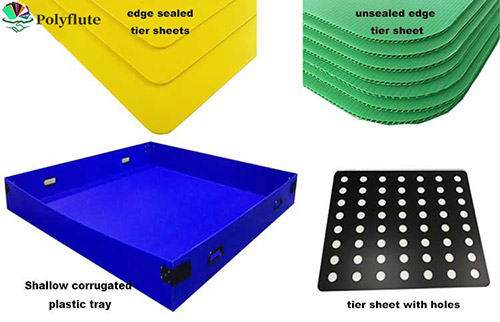
A Bottle Layer Board may seem like a small part of the packaging process, but its role is critical in ensuring product safety, reducing transportation costs, and improving overall efficiency. As industries continue to seek sustainable and cost-effective solutions, PP hollow boards have emerged as the material of choice.
From beverages and food to pharmaceuticals and cosmetics, bottle layer boards provide unmatched protection and reliability. By adopting PP hollow boards, companies not only improve their logistics operations but also contribute to a greener future.
If your business handles bottled products, it’s time to consider the long-term benefits of investing in Bottle Layer Boards made from PP hollow boards.