
- Sophia@polyflute.com
- +86 15162372874
- Mon - Sat 8:00-20:00

In modern packaging and logistics, Reusable Bottle Layer Pads have become an essential component for the safe transport and storage of bottled products. From beverages like wine, beer, and soft drinks to glass containers for cosmetics and pharmaceuticals, protecting bottles during shipment is critical. Reusable bottle layer pads provide stability, prevent breakage, and contribute to cost efficiency by reducing packaging waste.
This article explores everything you need to know about reusable bottle layer pads, including their materials, benefits, applications, design considerations, sustainability impact, and market trends.

Reusable Bottle Layer Pad
A reusable bottle layer pad is a protective sheet or insert placed between layers of bottles in a carton, crate, or shipping container. It ensures that the bottles remain stable, separated, and cushioned during transport.
Traditionally, single-use cardboard or paper pads were used. However, reusable pads made from durable plastics such as polypropylene (PP), polyethylene (PE), or high-density polyethylene (HDPE) have gained popularity due to their strength, longevity, and environmental advantages.
Choosing the right material is crucial for ensuring performance, durability, and cost-effectiveness. The most commonly used materials include:
Manufacturers often choose materials based on the weight of the bottles, frequency of reuse, and specific industry requirements, such as food safety regulations.
Switching to reusable layer pads offers multiple advantages for manufacturers, distributors, and retailers.
The primary purpose of a bottle layer pad is to prevent bottles from shifting, tipping, or colliding during transport. This reduces the risk of breakage and product loss.
Though reusable pads may have a higher upfront cost than single-use cardboard inserts, their longevity and ability to be used multiple times significantly reduce packaging costs over time.
Reusable pads help reduce packaging waste, minimize the consumption of raw materials, and lower the environmental footprint of logistics operations. Many are made from recyclable plastics, further contributing to sustainability goals.
Reusable bottle layer pads can be cleaned, sanitized, and reused, making them suitable for the beverage, cosmetic, and pharmaceutical industries where hygiene is essential.
Modern layer pads can be tailored to fit specific bottle shapes, sizes, and packing arrangements, ensuring optimal protection and efficiency. Manufacturers can add anti-slip textures, embossed logos, or color-coding for inventory management.
The versatility of reusable bottle layer pads allows them to be used across numerous industries:
In online retail, reusable pads ensure that bottles reach customers intact, reducing returns and increasing customer satisfaction.

When choosing or designing a reusable bottle layer pad, several factors should be considered:
Pads should match the bottle diameter and height precisely to ensure stability. Custom inserts may be needed for unusual bottle shapes.
Pads must support the weight of multiple bottle layers without bending or breaking. Material thickness and structure, such as fluted or honeycomb designs, enhance load-bearing capacity.
Pads should be designed to stack efficiently when not in use, saving warehouse space. Foldable or nestable designs are highly advantageous.
Reusable pads must withstand cleaning and sanitization processes, including water, detergents, or mild chemical disinfectants.
One of the most significant advantages of reusable bottle layer pads is their contribution to sustainability:
Companies adopting reusable pads not only cut costs but also strengthen their environmental responsibility, which is increasingly important for brand image and compliance with regulations.
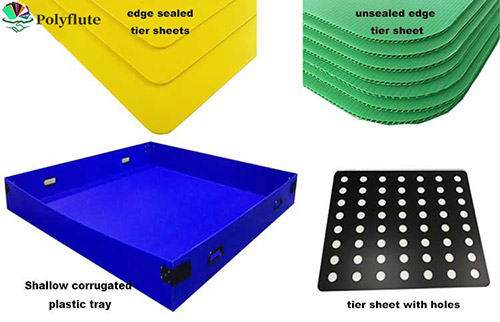
The global demand for reusable bottle layer pads is rising due to several factors:
Online beverage sales and retail shipments require robust packaging solutions to prevent damage, driving demand for reusable layer pads.
Companies and governments worldwide are encouraging the adoption of reusable and recyclable packaging, boosting the market for sustainable bottle protection solutions.
Businesses are realizing that reusable pads provide long-term savings over single-use packaging, creating a shift in purchasing behavior toward durable, reusable solutions.

Reusable bottle layer pads have become indispensable in modern logistics, packaging, and industrial operations. They protect fragile bottles, reduce breakage, improve cost efficiency, and contribute to sustainability efforts. Made from durable materials such as PP, HDPE, or PET, these pads can withstand repeated use while maintaining hygiene standards.
With applications across beverages, pharmaceuticals, cosmetics, and e-commerce, reusable bottle layer pads are a practical and environmentally friendly solution for companies looking to optimize packaging and reduce waste. As global markets continue to expand and sustainability becomes a higher priority, the demand for high-quality reusable bottle layer pads is expected to grow, making them a smart investment for businesses worldwide.