
- Sophia@polyflute.com
- +86 15162372874
- Mon - Sat 8:00-20:00

In today’s fast-moving logistics and packaging industry, safety, efficiency, and cost-effectiveness are crucial. One packaging solution that plays a vital role in protecting fragile goods is the pallet layer pad for bottles. Whether you’re in the beverage, pharmaceutical, or food industry, using pallet layer pads can drastically improve the way bottles are stored and transported.
Then, Polyflute will dive deep into what pallet layer pads are, why they matter, their benefits, types, and how they can optimize your supply chain operations.
A pallet layer pad for bottles is a flat sheet, usually made from corrugated plastic, corrugated cardboard, or other durable materials, placed between layers of bottles on a pallet. Its purpose is to provide stability, prevent direct contact between bottles, and reduce the risk of breakage during storage and transportation.
Imagine stacking multiple layers of glass or PET bottles on a pallet without any separation—sliding, friction, and impact during transit could lead to significant losses. The pallet layer pad acts as a protective barrier, keeping each layer stable and secure.
Bottles, whether glass or plastic, are inherently fragile or prone to damage. During transportation, pallets are often subjected to vibrations, tilting, and external pressure. Without protective measures, this can result in cracked bottles, leaks, and wasted products.
A pallet layer pad for bottles solves these issues by:

Layer pads are used across various industries where bottles form the backbone of packaging. Here are the key sectors:
The largest consumer of pallet layer pads for bottles is undoubtedly the beverage industry. From bottled water and soft drinks to wine, beer, and spirits, companies depend on layer pads to safeguard products during shipment.
Medicinal syrups, health supplements, and other pharmaceutical liquids are often packaged in glass or PET bottles. Stability and hygiene are essential, and pallet layer pads provide both.
Sauces, oils, and condiments are typically bottled. Layer pads help protect them from cracking and spillage.
Perfumes, lotions, and haircare products in bottles benefit from secure pallet stacking to maintain brand reputation and avoid costly losses.
Milk, yogurt drinks, and other dairy beverages are often packaged in glass or plastic bottles. These products are highly sensitive to temperature and handling conditions. A pallet layer pad for bottles ensures that during cold chain logistics, bottles remain stable, preventing cracks or leaks that could compromise product quality and hygiene standards.
Many household and industrial chemicals such as cleaning agents, disinfectants, and solvents are stored in bottles. Because of the potential hazards of leaks or breakage, the chemical industry relies on durable pallet layer pads to secure bottles during storage and transit. This not only reduces risk but also ensures compliance with safety regulations.

Using a pallet layer pad for bottles offers numerous advantages for manufacturers, distributors, and retailers:
Broken bottles lead to wasted product, damaged packaging, and costly returns. Layer pads minimize such risks, saving money in the long run.
Layer pads reduce the chance of bottles tipping over during transport, ensuring pallets remain stable for forklift handling.
Available in different materials, thicknesses, and sizes, pallet layer pads can be customized for any type of bottle.
Plastic pallet layer pads, in particular, can be reused multiple times, reducing packaging waste and supporting sustainability goals.
When products reach retailers in pristine condition, brand reputation improves. Layer pads help bottles arrive intact and neatly stacked.
Different industries and products require different types of layer pads. The most common options include:
Made from PP (polypropylene) or PE (polyethylene), these are durable, lightweight, and resistant to moisture. Ideal for humid environments and long-distance shipping.
Cost-effective and recyclable, cardboard pads are suitable for one-time use, especially in short-distance shipping.
For heavy-duty applications, solid plastic layer pads offer maximum durability and reusability.
Made with a hexagonal paper core, these pads are lightweight yet strong enough to support bottles on pallets.
These pads are specially designed with sealed edges that prevent liquid, moisture, or dust from penetrating the inner layers. This feature extends the pad’s lifespan and keeps bottles cleaner and more secure during storage and shipping. They are particularly useful in the beverage and dairy industries where condensation is common, or in export shipments that face varying weather conditions.
Composite layer pads combine two or more materials, such as plastic film laminated with paperboard or corrugated sheets with a moisture-resistant coating. These hybrid designs offer the strength of traditional pads with added features like waterproofing or slip resistance. They are often used in export shipments where durability and weather resistance are critical.
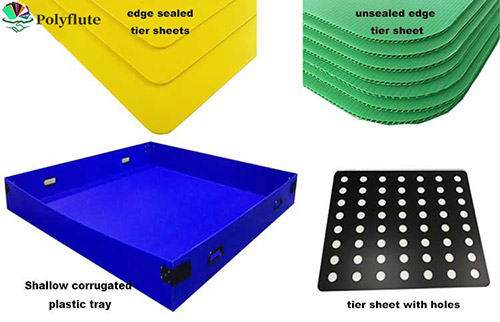
When choosing pallet layer pads, manufacturers should consider several features to ensure maximum efficiency:
| Material Type | Durability | Reusability | Moisture Resistance | Cost Efficiency | Best For |
|---|---|---|---|---|---|
| Corrugated Plastic Pad | High | Yes | Excellent | Medium | Beverage & Pharma |
| Cardboard Pad | Medium | No | Low | High | Short-distance transport |
| Solid Plastic Pad | Very High | Yes | Excellent | Low (per-use) | Heavy-duty use |
| Honeycomb Board Pad | High | Limited | Medium | Medium | Food & Consumer Goods |

Selecting the right pallet layer pad for bottles depends on factors such as:
The use of pallet layer pads extends beyond bottle protection. They also help with:
In fact, logistics companies often recommend using pallet layer pads for bottles as part of a broader damage-prevention strategy.

The pallet layer pad for bottles is an unsung hero in the packaging and logistics industry. Though simple in design, it plays a critical role in ensuring bottles reach their destination safely, efficiently, and cost-effectively.
From reducing product losses and improving pallet stability to supporting sustainability, pallet layer pads are indispensable for industries relying on bottled products. By choosing the right material and design, companies can optimize their supply chain, protect their brand reputation, and achieve long-term savings.
If your business deals with bottled goods—whether beverages, pharmaceuticals, or cosmetics—investing in the right pallet layer pad is not just a smart choice, but a necessary one.