
- Sophia@polyflute.com
- +86 15162372874
- Mon - Sat 8:00-20:00

In modern logistics and supply chain management, the efficiency, safety, and stability of product transportation are critical factors that can significantly influence operational costs and customer satisfaction. Among the various tools and materials used to enhance these aspects, plastic pallet layer pads have become increasingly popular. These innovative solutions provide a reliable way to stabilize loads on pallets, prevent product damage, and improve overall warehouse and shipping efficiency. In this article, we will explore the applications, benefits, and considerations of using plastic pallet layer pads, as well as their role in optimizing supply chain operations.

One of the primary applications of plastic layer pads is stabilizing heavy loads during storage and transportation. When products are stacked on a pallet without a layer pad, the weight of upper layers can compress and damage items on lower layers, particularly if they are fragile or unevenly packed. Plastic pads provide a solid barrier between layers, ensuring that the weight is evenly distributed and reducing the risk of damage.
This application is especially valuable in industries dealing with heavy or bulk products, such as food and beverage, chemicals, and industrial goods. By using plastic layer pads for pallets, companies can minimize product loss, reduce returns, and maintain high-quality standards.
Fragile products, such as glass bottles, ceramics, electronics, and precision components, require careful handling and additional protection during transportation. Plastic pallet layer pads act as a cushioning and stabilizing layer that prevents these items from shifting, scratching, or breaking. Their smooth and sturdy surface ensures that even delicate items remain secure during movement.
In the electronics industry, for example, components like circuit boards or small devices can be stacked on pallets without risking deformation or bending thanks to the support provided by plastic layer pads. Similarly, the food industry benefits when transporting glass containers or stacked cans, as the pads reduce impact and potential breakage.
Unlike cardboard or paper-based alternatives, plastic pallet layer pads are non-porous and resistant to moisture, dirt, and bacteria. This makes them ideal for applications requiring high levels of hygiene, such as food, pharmaceutical, and cosmetic industries. They can be easily cleaned, sanitized, and reused multiple times without compromising their performance or structural integrity.
For example, in a warehouse handling dairy products, placing plastic layer pads between layers of milk cartons or cheese blocks helps maintain cleanliness and prevents contamination. This hygiene benefit is crucial for businesses seeking to comply with food safety regulations and maintain consumer trust.
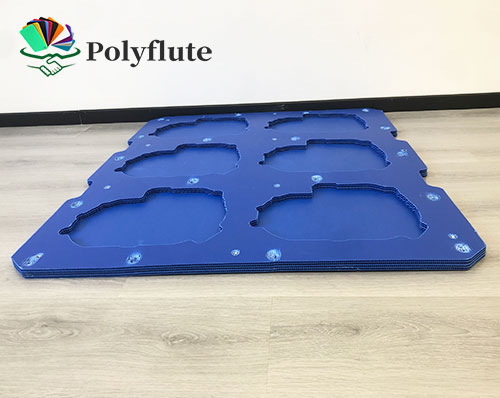
Plastic materials used in layer pads, such as HDPE and polypropylene, are inherently resistant to moisture, oils, and many chemicals. This property makes plastic pallet layer pads ideal for environments where products may be exposed to humidity, spills, or corrosive substances. Cardboard pads, by contrast, can quickly degrade under such conditions, leading to product instability and increased waste.
In chemical or industrial settings, plastic pads protect pallets and products from leaks, spills, or condensation. They are also suitable for frozen or refrigerated goods, as they do not absorb water or lose strength at low temperatures, unlike traditional cardboard sheets.
Plastic pallet layer pads contribute to more efficient storage and handling by providing a stable and uniform surface for stacking. Palletized goods can be moved with forklifts or pallet jacks without the risk of slippage or imbalance. The smooth surface of plastic pads allows for easier sliding and positioning of products, improving warehouse workflow and reducing handling time.
Moreover, reusable plastic layer pads streamline operations by eliminating the need for frequent replacement, unlike cardboard pads, which can tear or warp. This durability translates into cost savings over time, particularly in high-volume logistics operations.
Another advantage of plastic pallet layer pads is their versatility and adaptability. Manufacturers can produce pads in various sizes, thicknesses, and textures to suit specific pallet dimensions and product types. Some pads feature anti-slip surfaces, perforations, or reinforced edges for added functionality.
For example, anti-slip plastic layer pads are particularly beneficial for transporting smooth or slippery products, such as plastic bottles or metal cans. Perforated pads can allow air circulation for perishable goods, helping maintain product freshness. Reinforced pads are useful for extremely heavy items that require additional structural support.
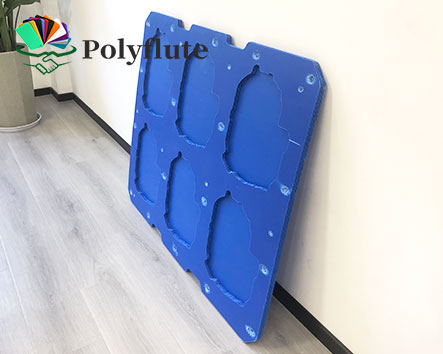
Sustainability has become a key consideration for many businesses, and plastic pallet layer pads can contribute to greener logistics practices. Unlike single-use cardboard, plastic pads can be reused for years, reducing waste and minimizing environmental impact. At the end of their lifecycle, many pads are recyclable, allowing companies to incorporate them into a circular economy.
Using plastic layer pads for pallets aligns with corporate sustainability goals by reducing the consumption of disposable materials, lowering landfill contributions, and promoting resource efficiency. This makes them an attractive option for environmentally conscious organizations.
Plastic pallet layer pads find applications across a wide range of industries due to their versatility, strength, and protective qualities. Here are some examples:
In food and beverage logistics, hygiene, stability, and protection are paramount. Plastic pallet layer pads help transport stacked items such as canned goods, bottled beverages, packaged snacks, and frozen foods without contamination or damage. Their moisture resistance ensures that refrigerated or frozen products remain secure during storage and shipping.
Pharmaceutical products, medical devices, and laboratory equipment require careful handling to prevent contamination and damage. Plastic pallet layer pads provide a clean, sturdy, and reusable surface between stacked items, supporting regulatory compliance and product safety.
Electronics and high-precision components are sensitive to pressure, vibration, and static. Plastic layer pads help stabilize these products on pallets, reducing the risk of bending, breaking, or electrical damage. Custom pads with anti-static properties can further enhance protection.
Industrial goods, machinery parts, and chemicals often come in heavy or bulky packages. Plastic pallet layer pads distribute weight evenly, preventing crushing and damage. Their chemical resistance also protects products from leaks, spills, or environmental exposure.
In retail and e-commerce logistics, efficient stacking, easy handling, and product protection are critical for timely delivery. Plastic pallet layer pads help organize diverse product types on pallets, prevent shifting, and maintain a professional presentation for clients.
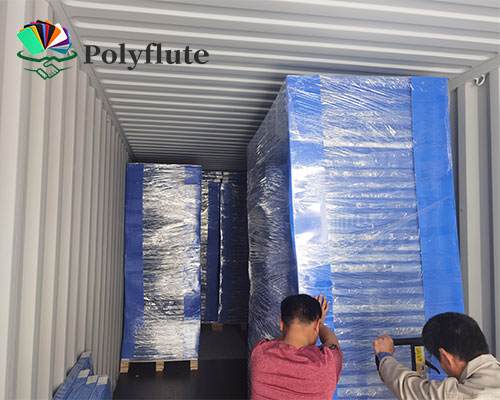
The use of plastic pallet layer pads has become a standard practice in modern logistics, offering unparalleled stability, protection, and hygiene compared to traditional alternatives. Their applications span multiple industries, from food and beverage to electronics, chemicals, and retail. By enhancing load stability, protecting fragile items, resisting moisture and chemicals, and supporting sustainability initiatives, plastic layer pads play a critical role in optimizing supply chain efficiency.
Furthermore, with their customizable designs, reusable nature, and ease of handling, these pads provide both operational and economic advantages. As businesses continue to prioritize product safety, operational efficiency, and sustainability, the adoption of plastic pallet layer pads is expected to grow, solidifying their position as an essential tool in modern palletized logistics.
For companies looking to improve warehouse operations, reduce product damage, and support eco-friendly practices, investing in plastic layer pads for pallets is a practical and effective solution. Whether transporting heavy industrial goods, delicate electronics, or perishable food products, plastic pallet layer pads provide the strength, reliability, and hygiene required to meet today’s demanding logistics standards.