
- Sophia@polyflute.com
- +86 15162372874
- Mon - Sat 8:00-20:00
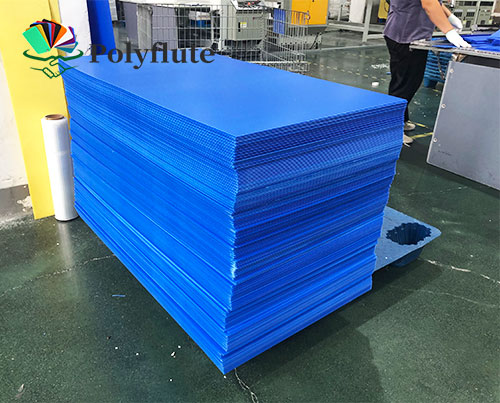
In today’s industrial and commercial world, the need for durable, lightweight, and versatile materials has never been higher. Among the materials that have gained popularity across multiple sectors, coroplast stands out as a practical solution that balances strength, affordability, and adaptability. From packaging and construction to signage and storage, coroplast has established itself as a reliable choice for businesses and individuals seeking high-performance materials. This article explores the types of coroplast and their diverse applications, helping readers understand why it has become such a crucial material in modern industries.

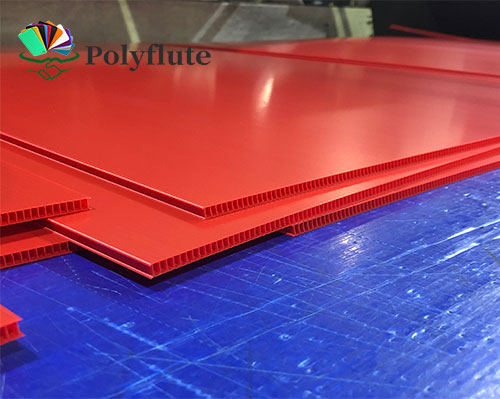
Coroplast is a type of corrugated plastic sheet made primarily from polypropylene. Its unique structure consists of twin-wall or multi-wall layers, creating a hollow channel design. This design provides excellent strength while remaining lightweight, making it easy to handle and transport. Unlike traditional plastic sheets, corolplast is resistant to moisture, chemicals, and UV exposure, allowing it to endure harsh environments without significant degradation.
One of the key advantages of corolplast is its versatility. It can be manufactured in various thicknesses, sizes, and colors, making it suitable for multiple applications across industries. Additionally, corolplast is recyclable, which aligns with the growing demand for environmentally responsible materials in business and manufacturing.

Corolplast sheets come in several types, each designed to meet specific industry needs. Understanding these variations can help businesses choose the right type for their projects.
Standard corolplast sheets are the most common type, often used for general-purpose applications. These sheets are lightweight yet sturdy, featuring twin-wall construction that provides durability without adding unnecessary weight. Standard sheets are commonly used in packaging, signage, and temporary structures.
Key Features:
Common Uses:

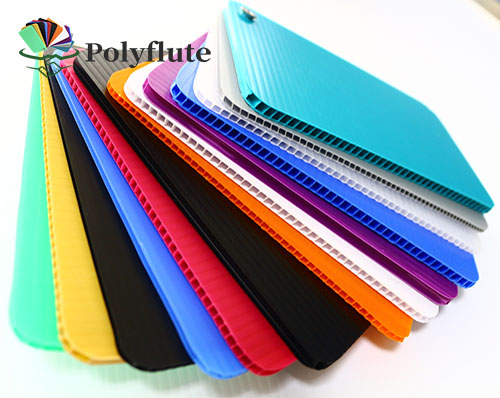
Colored corolplast sheets are available in a variety of shades, from bright primary colors to neutral tones. This type is especially useful in marketing, signage, and creative projects where aesthetics matter. The color is integrated into the plastic, ensuring long-lasting vibrancy that does not easily fade under sunlight.
Key Features:
Common Uses:
For applications requiring a professional or branded appearance, textured or printed corolplast sheets are ideal. These sheets can feature a smooth, matte, or textured finish and can be printed with company logos, promotional graphics, or patterns. This type of corolplast is particularly popular in the advertising and retail sectors.
Key Features:
Common Uses:

Certain industrial applications require corolplast sheets with higher structural integrity. These reinforced corrugated sheets often feature additional walls or thicker layers to support heavier loads. They are ideal for storage, shipping, and construction purposes where standard sheets may not suffice.
Key Features:
Common Uses:
Transparent or semi-transparent corolplast sheets are used when visibility is crucial, such as in protective barriers or greenhouse panels. These sheets allow light to pass through while maintaining the benefits of lightweight, durable plastic. Transparency options range from fully clear to lightly tinted.
Key Features:
Common Uses:
The versatility of corolplast makes it suitable for an astonishing range of applications. Here, we explore the major industries and uses where corolplast has proven its value.
One of the most widespread uses of corolplast is in packaging. Its lightweight, durable, and moisture-resistant properties make it an excellent alternative to cardboard and traditional plastics. Corolplast can be easily cut, folded, and assembled into boxes, bins, and containers suitable for shipping and storage.
Advantages in Packaging:
Example Uses:

Corolplast has become a staple in advertising and signage due to its lightweight and printable surface. Whether for temporary outdoor signage, real estate boards, or exhibition displays, corolplast provides a professional appearance while being easy to transport and install.
Advantages in Advertising:
Example Uses:
In construction and industrial environments, corolplast is valued for its durability, water resistance, and strength. It can serve as temporary flooring, wall protection, or partitions on job sites. Reinforced corolplast sheets are also used for heavy-duty containers, pallets, and protective packaging for machinery.
Advantages in Construction:
Example Uses:
Coroplast sheets are widely used in agriculture and horticulture due to their moisture resistance and light transmission properties (in the case of transparent sheets). They are used to construct greenhouses, protective covers, and raised bed liners, providing a durable alternative to traditional materials like glass or wood.
Advantages in Agriculture:
Example Uses:
Coroplast is ideal for storage and organizational solutions in both industrial and home environments. Colored sheets can be used to create bins, dividers, and shelving units, while reinforced sheets provide durability for heavier items. Its water resistance makes it suitable for environments where humidity could damage traditional storage materials.
Advantages in Storage:
Example Uses:
Corolplast’s versatility makes it perfect for temporary structures, signage, and displays in exhibitions, trade shows, and events. Its lightweight nature allows for easy transport and assembly, while its durability ensures that it withstands repeated use.
Advantages in Events:
Example Uses:
Across all industries and applications, corolplast offers several key advantages:
As industries seek materials that are lightweight, durable, and versatile, corolplast has emerged as a top choice. From standard sheets to reinforced, colored, and transparent varieties, corolplast adapts to a wide range of industrial, commercial, and agricultural applications. Its properties—strength, moisture resistance, printability, and eco-friendliness—make it a practical and sustainable solution for businesses looking to improve efficiency and performance.
Whether you are designing packaging, constructing temporary structures, creating signage, or organizing storage solutions, corolplast provides a reliable, adaptable, and cost-effective material to meet your needs. With the increasing demand for versatile and environmentally responsible materials, corolplast is not just a practical choice—it is an essential component in modern industrial and commercial operations.