
- Sophia@polyflute.com
- +86 15162372874
- Mon - Sat 8:00-20:00
Polypropylene, commonly referred to as PP, is a versatile thermoplastic polymer widely used in packaging, industrial applications, and construction. Over the years, the demand for PP sheets has increased significantly due to their durability, chemical resistance, and lightweight nature. Whether you are looking for white polypropylene sheet for a clean aesthetic, or a twin wall polypropylene sheet for enhanced strength and insulation, understanding the types, colors, and thickness of PP sheets is essential before making a purchase. In this article, we will explore all you need to know about PP sheets, including their varieties, applications, thickness options, and pricing.
A PP sheet is a flat, rigid sheet made from polypropylene. Polypropylene is a thermoplastic polymer known for its flexibility, chemical resistance, and resistance to fatigue. It is widely used in applications where durability and lightweight properties are required. Unlike other plastics, PP plastic sheets are highly resistant to chemicals, making them suitable for industrial environments, chemical storage, and food packaging. Additionally, PP sheets can be easily cut, welded, and fabricated, allowing for a wide range of applications.

When selecting a PP sheet, understanding the different types available is crucial. The choice of type affects the performance, durability, and cost of the sheet. Some of the most common types include:
Solid PP sheets are dense and offer excellent impact resistance. They are commonly used in industrial applications, laboratory equipment, and protective barriers. Solid sheets are ideal for applications requiring mechanical strength, chemical resistance, and ease of fabrication. Available in thicknesses ranging from 0.5 mm to 10 mm, solid PP sheets can be used in both small-scale and large-scale projects.
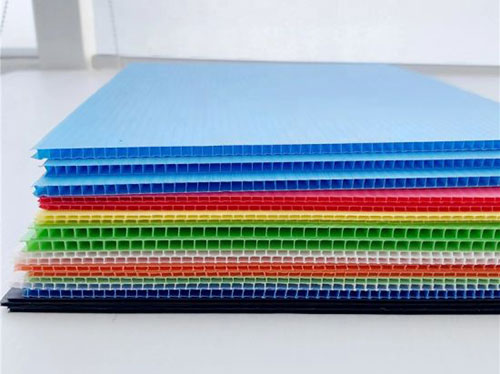
PP corrugated sheet is a lightweight and rigid sheet with a fluted structure. The corrugation provides additional strength while reducing material weight, making it perfect for packaging, signage, and temporary construction applications. Corrugated PP sheets are easy to cut, fold, and assemble, and they are also highly resistant to water and chemicals. They are widely used in the manufacturing of boxes, containers, and protective panels.
Twin wall polypropylene sheet is another popular option that features a hollow structure with two flat surfaces connected by internal ribs. This design offers excellent strength-to-weight ratio and thermal insulation properties. Twin wall sheets are ideal for outdoor signage, greenhouse panels, and industrial partitions. The unique structure also makes them more durable against impact compared to single-layer sheets.
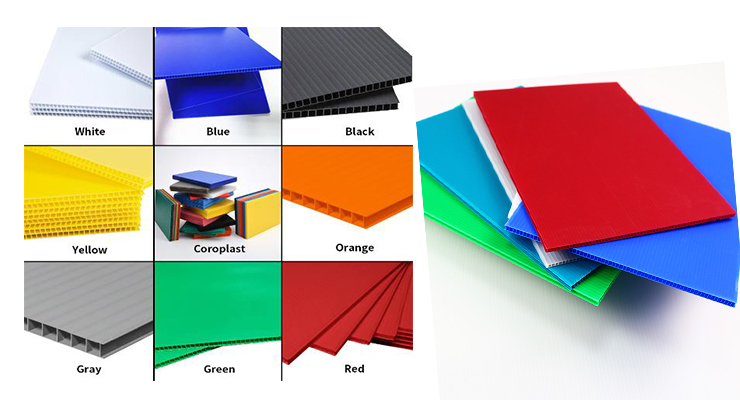
While white is the most common color due to its neutral and clean appearance, PP sheets are available in a variety of colors. Colored PP sheets can be used for branding, signage, and decorative purposes. The color does not significantly impact the physical properties of the sheet, so users can choose according to aesthetic requirements without compromising strength or durability.

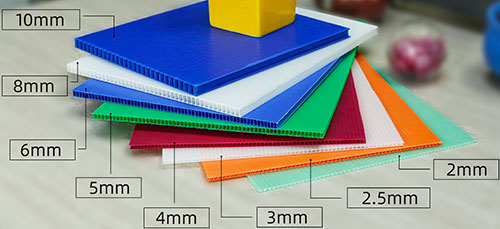
The thickness of a PP sheet affects its rigidity, weight, and application. Here are some commonly available thickness options:
Choosing the correct thickness is critical for ensuring that the PP sheet performs optimally in its intended application. For example, a twin wall polypropylene sheet of 10 mm thickness can withstand more mechanical stress than a 3 mm single-layer sheet. Additionally, many manufacturers offer customization, allowing customers to order PP sheets ranging from 2 mm to 12 mm thickness to meet specific project requirements. This flexibility ensures that whether you need lightweight panels or heavy-duty structural sheets, there is a suitable PP sheet for every application.

PP sheets are widely used across various industries due to their versatility. Here are some popular applications:
Choosing PP plastic sheets comes with numerous benefits:

The PP sheet price varies depending on thickness, type, and color. Thin sheets (0.5 mm – 1 mm) are generally more affordable and are suitable for lightweight applications. Thicker sheets (3 mm – 10 mm), twin wall, and corrugated types are relatively more expensive due to higher material content and enhanced structural properties. Prices may also vary depending on the manufacturer, quantity, and market demand.
| Type | Thickness Range | Common Applications | Price Consideration |
|---|---|---|---|
| Solid PP Sheet | 0.5 mm – 10 mm | Industrial panels, lab equipment, protective barriers | Affordable for thin sheets; increases with thickness |
| PP Corrugated Sheet | 2 mm – 10 mm | Packaging, signage, temporary partitions | Moderate; lightweight reduces shipping cost |
| Twin Wall PP Sheet | 4 mm – 10 mm | Greenhouses, outdoor signage, partitions | Slightly higher due to hollow structure and rigidity |
| Colored PP Sheet | 0.5 mm – 10 mm | Signage, branding, decorative panels | Price may vary depending on pigment used |
When selecting a PP sheet, consider the following factors:
PP sheets are a versatile and durable solution for a wide range of applications. From solid sheets for industrial use to PP corrugated sheets for packaging and twin wall sheets for insulation, the options are extensive. Understanding the types, colors, and thicknesses available ensures that you select the right sheet for your project. Whether you are looking for a white polypropylene sheet for hygienic purposes or a 10 mm polypropylene sheet for heavy-duty use, PP sheets offer unmatched flexibility, durability, and cost-effectiveness.
With proper selection and understanding of pricing, types, and thickness, investing in PP sheets can significantly enhance the efficiency and durability of your industrial, commercial, or creative projects.