
- Sophia@polyflute.com
- +86 15162372874
- Mon - Sat 8:00-20:00
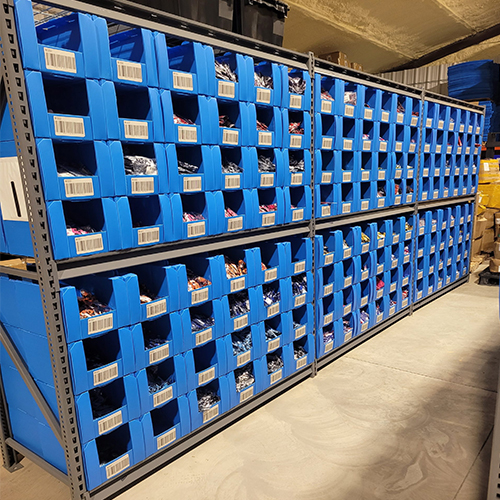
Efficient warehouse management is crucial for any business that handles a large inventory. One of the most important aspects of warehouse organization is the proper selection and use of picking bins. Picking bins for warehouse operations play a key role in ensuring that items are stored in an organized manner, easily accessible, and safely handled. Choosing the right type of warehouse picking bins can significantly improve workflow, reduce errors, and increase productivity. This article explores the key considerations for selecting picking bins for warehouse environments and highlights best practices for optimal use.
Before selecting plastic picking bins for warehouse use, it is important to assess the specific needs of your operation. Consider factors such as the type of products you handle, the size of your warehouse, and the frequency of order fulfillment. Different warehouses have varying requirements, and what works for a small warehouse may not be suitable for a large-scale distribution center.
For instance, large warehouse picking bins may need to accommodate bulkier items, whereas smaller warehouses may benefit from bins that maximize vertical space. Understanding your inventory characteristics—such as weight, fragility, and dimensions—will help determine the appropriate materials, sizes, and configurations of the picking bins.
Picking bins for warehouse use come in a variety of materials, including plastic, metal, and sometimes wood. Each material has its advantages and limitations:
Plastic Bins: Lightweight, durable, and easy to clean, plastic bins are ideal for most warehouse environments. They often come in stackable designs that help maximize storage space. Some plastic bins are designed with transparent sides to allow quick visual identification of contents, which is particularly helpful in busy warehouses.
Metal Bins: Typically made from steel or aluminum, metal bins are extremely strong and suitable for heavy-duty applications. They are ideal for warehouses that handle large or heavy items but may be heavier and harder to move than plastic options.
Wooden Bins: Less common in modern warehouses, wooden bins are still used for specialized applications, particularly for storing fragile items that require cushioning or a non-static surface. However, they can be heavier and less durable over time compared to plastic or metal.
Choosing the right material ensures durability, safety, and efficiency in warehouse operations.
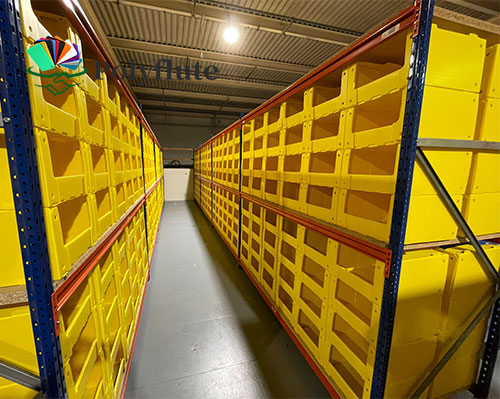
Picking bins for warehouse applications must be selected with careful attention to size and capacity. Selecting bins that are too small can result in frequent restocking, slowing down the picking process. Conversely, bins that are too large can be cumbersome, increase the risk of damage to items, and take up excessive storage space.
Large warehouse picking bins are particularly useful in distribution centers where high volumes of inventory are handled. These bins should be designed to fit standard shelving systems or racking units and to allow for efficient stacking. Modular designs can help warehouses adapt to changing storage needs, making it easier to reconfigure layouts as inventory changes.
Ease of handling is a critical factor in selecting warehouse picking bins. Workers should be able to move, lift, and transport bins without strain or injury. Features to consider include:
Handles or Grips: Picking bins with ergonomic handles reduce the risk of injury and improve efficiency.
Stackable Design: Stackable bins make it easier to organize inventory and optimize vertical storage space.
Compatibility with Trolleys or Carts: Some warehouses use carts or conveyors for picking, so bins should be compatible with existing equipment.
Ensuring that bins are easy to handle improves worker productivity and reduces fatigue, which is especially important in large warehouses where picking tasks can be physically demanding.
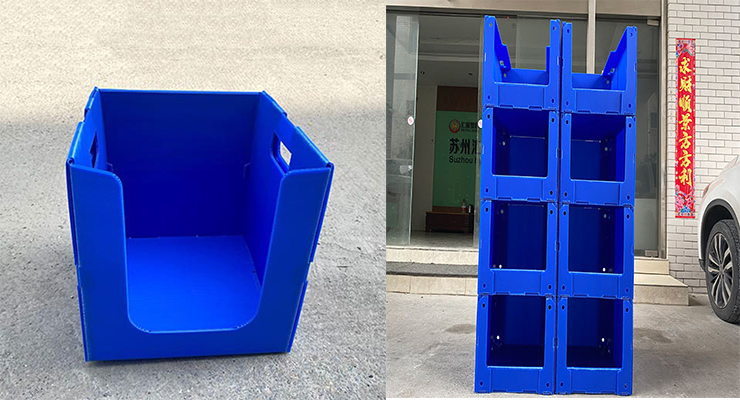
Effective inventory management requires that warehouse staff can quickly identify the contents of each picking bin. Consider bins with the following features:
Transparent or Semi-Transparent Material: This allows workers to see the contents without opening the bin.
Label Holders or Slots: Bins with built-in labeling options streamline organization and reduce picking errors.
Color-Coding: Using color-coded bins can help categorize items by type, size, or priority, improving workflow and reducing errors.
These features are particularly valuable in warehouses handling large volumes of diverse products, as they enhance the speed and accuracy of order fulfillment.
Picking bins for warehouse operations must withstand daily use without breaking or deforming. Consider the following aspects:
Load-Bearing Capacity: Ensure the bin can safely hold the weight of the items you intend to store. Overloading bins can cause damage and pose safety risks.
Impact Resistance: Bins should be resistant to drops and impacts, particularly in busy warehouses with frequent handling.
Fire Resistance and Chemical Resistance: For certain warehouses, bins may need to meet specific safety standards to handle chemicals or flammable materials.
Choosing durable and safe bins reduces replacement costs, minimizes workplace accidents, and ensures smooth warehouse operations.
While selecting high-quality picking bins is essential, cost-effectiveness should also be considered. Balance the initial investment with the long-term benefits. High-quality bins may have a higher upfront cost but can last longer and reduce operational inefficiencies. Conversely, cheaper bins may wear out quickly, leading to increased replacement costs and potential disruptions in workflow.

Large warehouses often require specialized picking bins with features designed for high-volume operations:
Selecting bins with these specialized features ensures that even large-scale operations remain streamlined and productive.
Many suppliers offer customizable picking bins for warehouse needs. Customization options include size, color, material, and specialized compartments. Custom bins allow warehouses to meet specific operational requirements and optimize workflow. For example, bins designed to fit particular shelving systems or to hold irregularly shaped items can enhance efficiency and reduce handling time.
Picking bins for warehouse use should be easy to clean and maintain. Plastic bins are generally the easiest to clean, while metal bins may require more attention to prevent rust or corrosion. Regular cleaning ensures that bins remain hygienic, particularly in warehouses handling food or pharmaceutical products. Proper maintenance also extends the lifespan of the bins, providing long-term value.
Finally, selecting a reliable supplier is crucial. Choose suppliers who provide high-quality warehouse picking bins, offer customization options, and can provide ongoing support. Reputable suppliers often offer warranties, guidance on bin selection, and delivery options that make integration into your warehouse seamless.

Selecting the right picking bins for warehouse operations is a critical step in optimizing efficiency, productivity, and safety. Considerations such as warehouse needs, material selection, size and capacity, ease of handling, visibility, durability, cost-effectiveness, specialized features, sustainability, customization, and maintenance all play a vital role in choosing the ideal bins. Large warehouse picking bins, in particular, require additional attention to features like stackability, compartmentalization, and conveyor compatibility to handle high volumes of inventory effectively.
By carefully evaluating these factors and choosing the appropriate warehouse picking bins, businesses can streamline their operations, reduce errors, and create a safer, more organized work environment. For warehouses of all sizes, investing in quality picking bins for warehouse use is not just a practical choice—it is an essential component of efficient inventory management.
Want to get the wholesale price of these picking bins for your warehouse storage? Welcome to contact Polyflute.