
- Sophia@polyflute.com
- +86 15162372874
- Mon - Sat 8:00-20:00
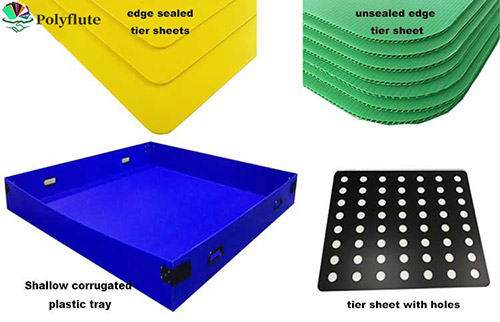
In the world of packaging and logistics, ensuring that products remain safe and undamaged during storage and transportation is a top priority. One solution that has gained popularity across industries is the corrugated plastic layer pad. But what exactly is it, why is it important, and how is it used? This comprehensive guide will explain everything about this versatile packaging component, including its design, benefits, applications, and future trends.
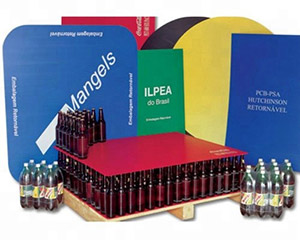
A corrugated plastic layer pad is a flat, lightweight, and durable sheet made from polypropylene (PP) or polyethylene (PE) material, designed to separate and protect products stacked on pallets or inside containers. The sheet has a fluted core sandwiched between two flat surfaces, giving it excellent rigidity and strength without adding significant weight.
Unlike traditional cardboard pads, these plastic alternatives offer a longer service life, are resistant to moisture and chemicals, and can be easily cleaned and reused multiple times. This makes them an ideal choice for industries requiring hygienic and cost-efficient handling of products.
The manufacturing process involves several key steps:
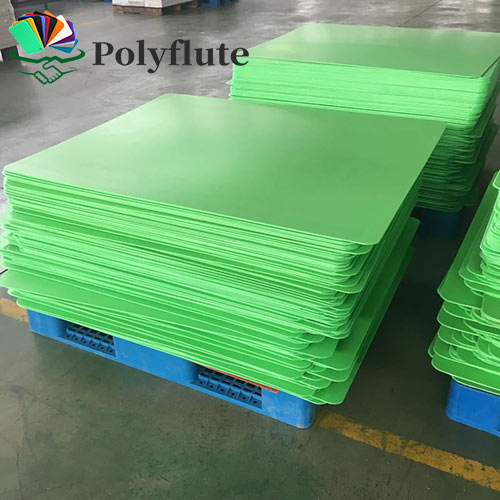
Corrugated plastic sheets are highly resistant to water, grease, and chemicals. This makes them ideal for industries where exposure to liquids or cleaning agents is common.
Despite being sturdy, the pads are lightweight, reducing shipping costs and making manual handling easier for workers.
Both sides of the sheet have a smooth finish to prevent scratches, scuffs, or damage to delicate product surfaces like labels, printed logos, or painted finishes.
The fluted core structure evenly distributes weight across the surface, ensuring that heavy products can be stacked without damage or deformation.
One of the biggest advantages is that these pads can be reused many times before needing replacement. Compared to cardboard, which may last for a single trip, plastic layer pads often last 20–30 cycles or more.
Although the upfront cost is higher than disposable alternatives, the long lifespan and reduced waste disposal costs make them more economical in the long run.
Since they are made from non-porous plastic, they can be easily washed and sanitized, making them suitable for food, beverage, and pharmaceutical industries where hygiene is crucial.
Many pads are made from recyclable materials, supporting sustainability initiatives and reducing the environmental footprint compared to single-use options.
Manufacturers can produce pads in various sizes, thicknesses, and colors, with optional printing to meet specific branding and operational requirements.

Corrugated plastic layer pads come in various types to suit different industries and handling needs. These variations are based on thickness, edge treatment, surface properties, and intended use. Below is an overview of the most common types:
| Type | Key Features | Typical Applications |
|---|---|---|
| Standard Layer Pads | Lightweight, economical, available in various sizes. | Beverage, food, and general packaging industries. |
| Edge-Sealed Pads | Sealed edges to prevent dust and moisture from entering the flutes. | Pharmaceutical and hygiene-sensitive industries. |
| Anti-Static Pads | Special surface treatment to prevent static buildup. | Electronics and precision equipment shipping. |
| UV-Resistant Pads | Coating protects from sun damage for outdoor use. | Agriculture, construction, and outdoor storage. |
| Heavy-Duty Pads | Thicker material for high load-bearing capacity. | Automotive, industrial, and heavy goods transport. |
This classification helps companies select the right pad based on environmental conditions, weight requirements, and hygiene standards.
In the beverage sector, layer pads are commonly used to separate bottles or cans stacked on pallets. They ensure stability, prevent shifting, and minimize breakage during transport.
Bakeries, dairies, and meat processors rely on plastic pads to maintain product integrity while complying with hygiene standards.
Medical and pharmaceutical companies use them to safely handle and transport sterile products like vials, syringes, and glass containers.
Anti-static versions of corrugated plastic pads are used to protect delicate electronic components from static discharge and mechanical damage.
Layer pads are used to separate parts and accessories in crates or pallets, preventing scratches or surface damage during shipping.

Pads can be manufactured to match exact pallet dimensions, with thickness ranging from 2mm to 10mm or more depending on load requirements.
Color-coded pads help streamline warehouse operations and inventory control.
Logos, QR codes, and instructions can be printed directly onto the pad to enhance branding and facilitate handling.
UV-resistant coatings are available for outdoor storage, and anti-static coatings are used for electronic components.
Corrugated plastic layer pads contribute to sustainability by replacing single-use cardboard or wooden sheets. Many are made from recycled polypropylene or polyethylene and can be reprocessed into new products at the end of their service life.
Additionally, their reusability helps reduce the overall consumption of packaging materials and lowers carbon emissions associated with frequent replacements.
The packaging industry continues to innovate. Some expected trends include:
So, what is a corrugated plastic layer pad? It is a lightweight yet strong separator sheet designed to protect products during storage and transportation. Made from durable plastic materials, it offers superior performance compared to cardboard or wooden alternatives, with advantages like reusability, hygiene, and cost-efficiency.
Whether you are in the beverage, food, pharmaceutical, or industrial sector, investing in high-quality plastic layer pads improves product safety, reduces packaging costs, and supports sustainability initiatives. With ongoing innovations, these versatile pads are set to play an even bigger role in modern logistics and supply chain management.