
- Sophia@polyflute.com
- +86 15162372874
- Mon - Sat 8:00-20:00
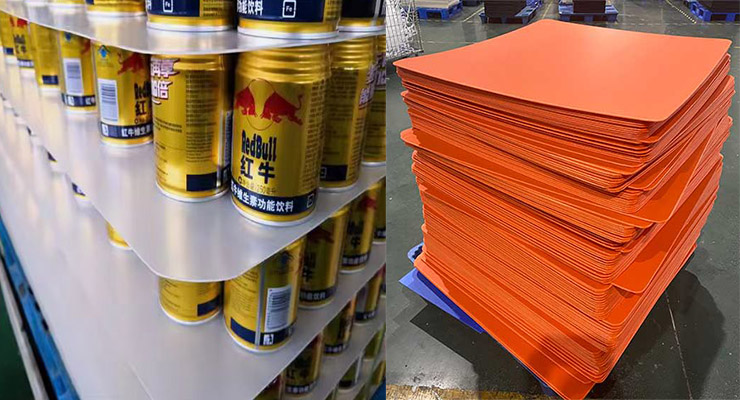
In modern logistics and packaging industries, companies continuously seek solutions that improve efficiency, reduce costs, and enhance product protection. One such solution that has gained significant traction over recent years is the layerpad. Designed as a reusable and durable separator sheet, the layerpad plays a vital role in optimizing palletizing systems, warehouse management, and transportation. This article explores the application of layerpad across industries, its benefits, and why businesses increasingly rely on this simple yet highly effective packaging accessory.
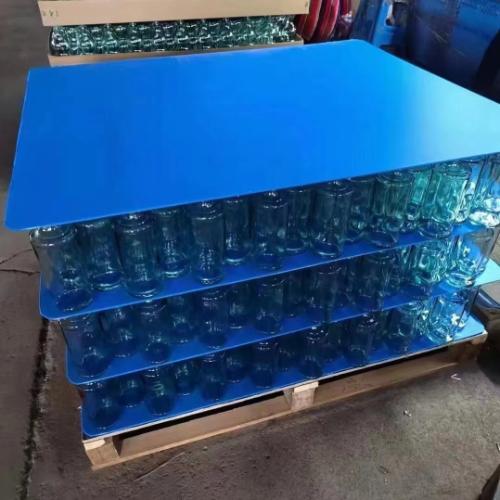
A layerpad is a flat sheet, typically manufactured from polypropylene (PP), corrugated plastic, or other durable plastic materials. It is used as a divider between layers of products stacked on pallets. The sheet provides stability to the load, prevents items from shifting during transit, and maximizes pallet space efficiency. Unlike disposable cardboard sheets, plastic-based versions such as pp layer pad offer long service life, making them an eco-friendly and cost-efficient solution.
In logistics, packaging, and manufacturing, plastic layer pads have become indispensable due to their strength, water resistance, and reusability. Companies that handle bottles, cans, cartons, or other uniform packages often rely on these pads to ensure safe and stable stacking.
The growth of e-commerce, global trade, and industrial production requires better packaging solutions that balance cost, durability, and sustainability. The layerpad addresses several challenges faced by logistics professionals:
The versatility of layerpads for pallets makes them useful across a wide range of industries. Below are some of the most prominent applications:
1. Beverage Industry
The beverage industry—particularly companies dealing with bottled water, soda, beer, and juices—uses layerpads extensively. These industries handle millions of bottles daily, and safe stacking is essential. Layerpads provide:
Stability when stacking multiple rows of bottles or cans.
Protection against breakage during transportation.
Easier pallet handling in automated filling and packaging lines.
2. Food Industry
Packaged food items like cartons of milk, yogurt, sauces, and canned goods are often stacked in layers on pallets. A pp layer pad serves as a hygienic separator that resists moisture and ensures compliance with food safety standards. Since they are washable, food manufacturers prefer them over cardboard alternatives.
3. Pharmaceutical and Healthcare Industry
In the pharmaceutical sector, cleanliness and protection are critical. Plastic layer pads are widely used to stack cartons of medicines, syrups, or medical devices. Their smooth, non-porous surface prevents contamination and is easy to sanitize.
4. Automotive Industry
Automotive parts such as small components, accessories, and lubricants are frequently stored and shipped in cartons. A layerpad provides stability, prevents damage, and ensures parts arrive safely without scratches or deformation.
5. Cosmetics and Personal Care
Perfume bottles, creams, and cosmetic jars require careful handling during storage and transport. Layerpads prevent toppling and damage when stacked in pallets, ensuring products reach retailers in pristine condition.
6. E-commerce and Distribution Centers
In distribution centers that handle bulk shipments, layerpads for pallets help optimize storage and stacking. Since orders vary in size, these reusable pads offer flexibility and protection, making warehouse management more efficient.
7. Electronics Industry
Sensitive electronics such as mobile phones, computer accessories, and circuit boards demand extra care. Layerpads offer cushioning and stability, reducing the risk of vibration or impact damage during shipping. Their durability ensures long-term use in high-volume logistics operations.
8. Agricultural and Fresh Produce Sector
Fruits, vegetables, and packaged agricultural products are often transported in bulk. Moisture-resistant layerpads separate cartons, prevent crushing, and maintain ventilation between layers—keeping produce fresher for longer and reducing spoilage rates.
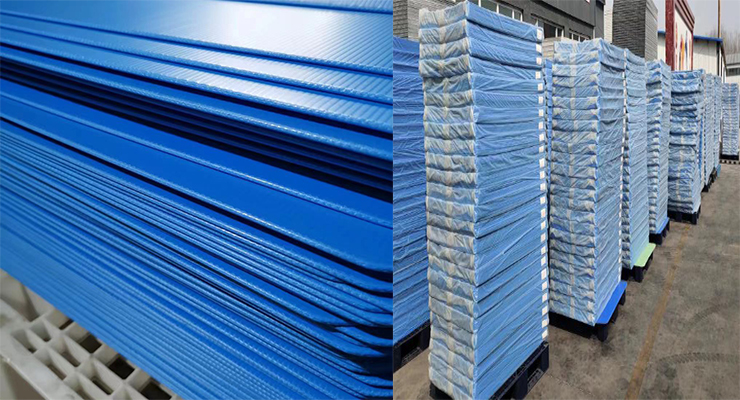
Unlike single-use cardboard dividers, plastic layer pads offer long-term value. Here are some of their most important benefits:
Most layerpads are produced from polypropylene (PP) or high-density polyethylene (HDPE), materials known for their impact resistance and durability. The choice of material depends on industry requirements:
During manufacturing, the sheets are cut to standard pallet dimensions (e.g., 1200x1000mm or 1200x800mm) but can also be customized for special applications.
Businesses often require tailor-made solutions, and layerpads can be customized in terms of:

Sustainability is one of the driving factors behind the increased adoption of plastic layer pads. Cardboard sheets generate waste and require continuous replacement, while reusable plastic pads significantly reduce packaging waste. At the end of their lifecycle, most plastic pads are recyclable, further reducing environmental impact.
For companies aiming to achieve eco-friendly packaging goals, replacing disposable cardboard with reusable layerpads for pallets is an important step forward.
When implementing layerpads in logistics operations, companies should consider the following:
The future of layerpad applications looks promising due to growing demand for reusable packaging. Key trends include:

The application of layerpad goes beyond simply separating product layers—it is a vital component of modern logistics and packaging strategies. From beverages and food to pharmaceuticals, automotive, and e-commerce, layerpads improve stability, protect products, and support sustainable practices. With customizable features, long-lasting durability, and cost efficiency, they represent a smarter alternative to disposable solutions.
As businesses continue to optimize their supply chains, the demand for pp layer pad, plastic layer pads, and layerpads for pallets will only increase. Companies that adopt this simple yet powerful solution are not only enhancing operational efficiency but also contributing to environmental sustainability.
Get in Touch with Polyflute
If you are looking for high-quality laypad tailored to your needs, Polyflute is here to help. For product inquiries, customization, or bulk orders, please contact Sophia at Sophia@polyflute.com or call +86 15162372874. Our team is ready to provide you with professional support and reliable products.