
- Sophia@polyflute.com
- +86 15162372874
- Mon - Sat 8:00-20:00

Plastic separator sheets, also known as plastic sheet separators, are essential in many industries for protecting, separating, and organizing materials. They prevent surfaces from sticking together, reduce damage during transportation, and improve efficiency in storage and manufacturing processes. With diverse material options available, plastic separator sheets are versatile solutions for everything from packaging electronics and food items to heavy industrial applications. This article focuses on the main types of plastic separator sheets, emphasizing polypropylene (PP) sheets while providing a concise overview of other materials, and concludes with a comparison table for easy reference.
Polypropylene (PP) separator sheets are among the most widely used and versatile plastic sheet separators in the market. They combine strength, flexibility, and chemical resistance, making them suitable for a variety of industrial and commercial applications. Compared to other plastic materials, PP sheets have a higher melting point, which allows them to perform well under elevated temperatures, including sterilization processes.
PP plastic sheet separators are widely used in multiple industries, including:
PP separator sheets are highly customizable. They can be produced in different thicknesses, textures, and colors to meet specific requirements, which makes them a top choice for industries seeking both protection and efficiency.
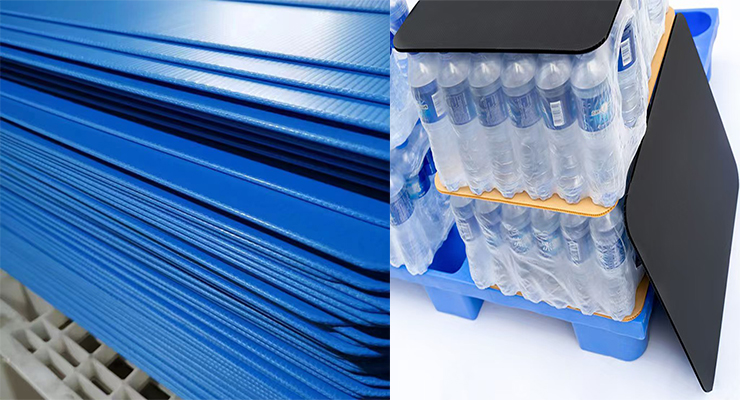
Polyethylene (PE) separator sheets, including low-density (LDPE) and high-density (HDPE) variants, are widely used for their lightweight and moisture-resistant properties.
PE sheets are commonly used in food packaging, pallet liners, and metal sheet separation. Their chemical resistance and low cost make them a practical alternative in situations where PP may not be necessary.
PVC sheets are recognized for their rigidity and strength. Unlike flexible PE and PP sheets, PVC provides structural support and excellent protection for fragile materials.
While PVC sheets are heavier and less flexible than PP or PE, their strength is advantageous for heavy-duty separation tasks.
PET separator sheets are valued for their transparency, stiffness, and chemical resistance. They are particularly useful when visual inspection of separated items is required without removing the sheets.
PET sheets provide a balance between durability and clarity, making them ideal for specialized applications that require both protection and visibility.
Anti-static plastic separator sheets are designed to prevent the buildup of static electricity, which can damage sensitive electronic components. Typically made from PE, PP, or PET, these sheets include anti-static coatings or additives.
These sheets are essential in electronics manufacturing, assembly, and storage, where even minor static discharges can compromise product quality.
Corrugated plastic separator sheets combine lightness with strength through a fluted structure. Often made from PP or PE, they also provide cushioning to protect delicate items.
Their corrugated design absorbs shock and distributes weight evenly, making them ideal for fragile or heavy items in transit.
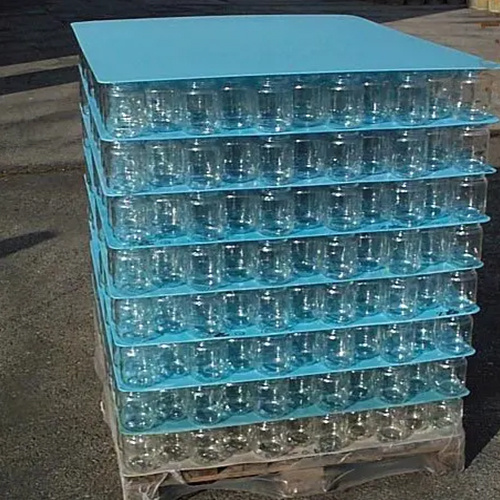
Specialty sheets cater to specific industrial needs beyond standard types:
These specialty sheets address unique requirements in aerospace, automotive, food processing, and precision manufacturing, ensuring product safety and operational efficiency.
To help readers quickly understand the differences, advantages, and applications of various plastic separator sheets, the following table summarizes the main characteristics:
| Material | Flexibility | Strength | Chemical Resistance | Heat Resistance | Transparency | Common Applications |
|---|---|---|---|---|---|---|
| PP (Polypropylene) | Medium | High | High | Moderate to High | Opaque | Food packaging, electronics, industrial separators |
| PE (Polyethylene) | High (LDPE), Medium (HDPE) | Medium | High | Low | Opaque | Food packaging, pallet liners, metal sheet protection |
| PVC (Polyvinyl Chloride) | Low | High | Moderate | Moderate | Opaque | Glass panels, laminated boards, automotive |
| PET (Polyethylene Terephthalate) | Medium | High | High | Moderate | Transparent | Electronics, printing, precision engineering |
| Anti-Static Sheets | Medium | Medium to High | High | Varies | Opaque or Transparent | Electronics, circuit boards, sensitive instruments |
| Corrugated Sheets | Medium | Medium | High | Low | Opaque | Packaging fragile or heavy items, pallet lining |
| Specialty Sheets | Varies | Varies | Varies | High (heat-resistant) | Varies | Food processing, aerospace, anti-slip, cushioning |
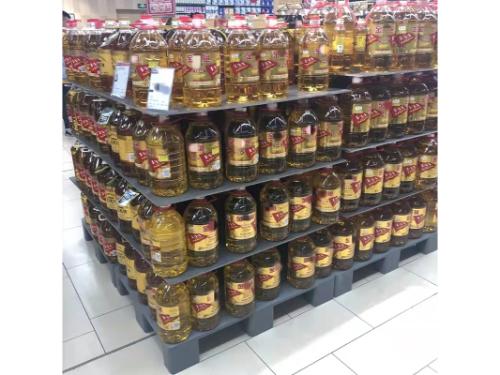
Plastic separator sheets, or plastic sheet separators, are indispensable in a variety of industries. Polypropylene (PP) sheets, with their balance of durability, flexibility, and chemical resistance, are a top choice for many applications. Other materials like polyethylene, PVC, PET, and specialized sheets complement PP by offering unique advantages such as transparency, rigidity, anti-static properties, or cushioning. Corrugated sheets provide additional protection and shock absorption, while specialty sheets cater to niche industrial needs.
Understanding the characteristics, advantages, and applications of each type helps businesses select the right separator sheet for their operations, improving efficiency, protecting valuable materials, and minimizing damage. The provided comparison table serves as a quick reference for evaluating options and making informed decisions. Whether for industrial, packaging, or specialty applications, the correct plastic separator sheet ensures safety, functionality, and reliability across a wide range of processes.
For businesses or individuals with plastic separator sheet requirements, we are ready to assist. As a professional manufacturer with extensive experience, Polyflute provides high-quality plastic sheet separators tailored to your needs.
For inquiries or orders, please contact Sophia at Sophia@polyflute.com or call +86 15162372874. Our team is committed to offering reliable products and excellent customer service to meet your industrial or commercial requirements.