
- Sophia@polyflute.com
- +86 15162372874
- Mon - Sat 8:00-20:00

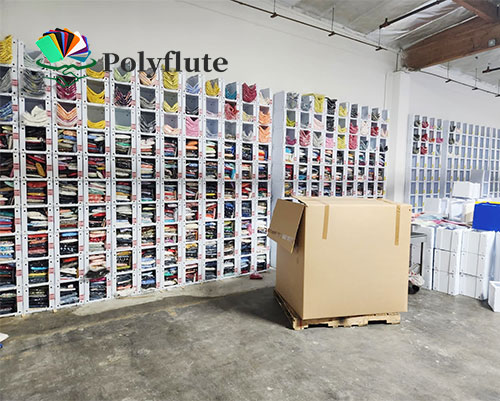
In a warehouse environment, storage efficiency and picking speed directly impact productivity and profitability. One of the most reliable and space-saving storage solutions is the stackable picking bin. These bins are designed for vertical stacking without losing easy access to stored goods, making them ideal for busy fulfillment centers, manufacturing facilities, and distribution warehouses.
This guide will focus on choosing the best stackable picking bins for warehouses, covering types, materials, specifications, applications, and setup best practices. We’ll also examine related storage products such as stacking pick bins, plastic picking bins, and large stacking pick bins, so you can select the perfect combination for your operation.

Warehouses handle a constant flow of inbound goods, stored stock, and outbound orders. The challenge is to store products compactly while allowing workers to pick them quickly without unnecessary movement or unstacking.
Stackable picking bins solve this problem by offering:
The result is faster order fulfillment, improved inventory visibility, and safer working conditions.
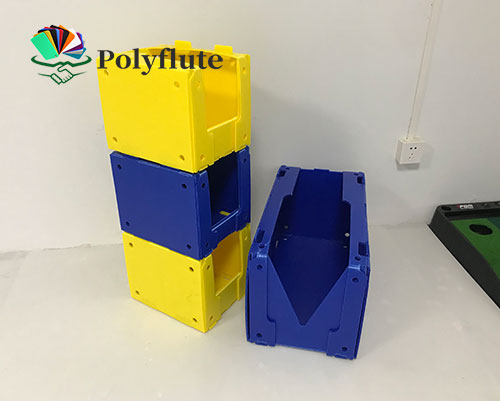
The design of stackable picking bins is simple yet highly functional:
Because the front remains open, even a stack of five or six bins still allows direct picking from each level — something closed-lid containers cannot offer.
When choosing the best stackable picking bins for warehouses, it’s important to understand the different types available on the market. Each type is designed for specific operational needs, load capacities, and environmental conditions.
The most common type, suitable for general warehousing tasks. These bins come in multiple sizes and colors, typically molded from polypropylene. They have an open front for easy access even when stacked, making them ideal for small-to-medium-sized inventory.
Stacking pick bins is a term often used interchangeably with stackable picking bins. In some warehouses, it refers to bins that can either be stacked directly on top of one another or slotted into shelving, louvered panels, or mobile carts. This hybrid functionality makes them versatile for both fixed and mobile picking operations.
Made from durable plastic, usually polypropylene (PP) or high-density polyethylene (HDPE). Plastic picking bins are lightweight, resistant to moisture, and easy to clean. They are suitable for food storage, pharmaceuticals, electronics, and other hygiene-sensitive applications. Their chemical resistance also makes them useful in maintenance workshops.
Designed for storing oversized or high-volume goods. Large stacking pick bins are often reinforced with ribbed sidewalls and thicker bases to handle heavier loads such as packaged electronics, large tools, or automotive parts. These bins usually have higher weight capacities, ranging from 25 to 40 kg per bin.
For warehouses that need to protect goods from dust, debris, or environmental exposure, stackable picking bins with lids are an excellent choice. Lids can be either hinged or completely removable. They are especially useful for long-term storage, sensitive electronics, and preventing cross-contamination in food handling areas.
These bins can be folded down when not in use, saving space in off-peak seasons or during return transport. Collapsible bins are typically used in distribution centers with variable inventory levels. They are made from impact-resistant plastic with reinforced hinges to withstand repeated folding cycles.
For electronics warehouses, bins made from conductive polypropylene or other electrostatic dissipative (ESD) materials protect sensitive components from static discharge. These bins are often black in color and may come with grounding lugs for added safety.
Warehouses operating in cold storage or heated environments benefit from bins made with materials rated for extreme temperatures. These bins maintain structural integrity from -20°C up to +80°C, making them suitable for frozen goods, bakeries, and industrial manufacturing.
Density: ~0.90 g/cm³
Operating temperature: -10°C to +60°C
Advantages: Lightweight, good impact resistance, available in multiple colors.
Common use: General-purpose warehouse bins.
Polypropylene is one of the most common materials used for stackable picking bins due to its excellent combination of durability, low weight, and cost efficiency. It offers strong resistance to moisture, oils, and many chemicals, making it suitable for warehouses handling varied product categories. PP bins can withstand frequent stacking without losing shape and have smooth internal surfaces for easy cleaning. They are also less brittle than some plastics, reducing the risk of cracking under load. Additionally, PP is fully recyclable, helping warehouses meet sustainability goals while maintaining long-term usability.
Density: ~0.95 g/cm³
Operating temperature: -40°C to +70°C
Advantages: Superior cold resistance, slightly more impact-resistant than PP.
Common use: Cold storage warehouses, outdoor environments.
Advantages: Extreme durability, fire resistance, handles sharp/abrasive items.
Common use: Heavy manufacturing, metal component storage.
Downside: Heavier, higher cost, less ergonomic for frequent handling.
Warehouses benefit from using multiple bin sizes for different SKUs.
| Size Category | Typical Dimensions (L × W × H mm) | Capacity (kg) | Common Uses |
|---|---|---|---|
| Small Stackable Picking Bins | 200 × 120 × 100 | 10–15 | Screws, bolts, electrical fittings |
| Medium Stackable Picking Bins | 300 × 180 × 150 | 15–25 | Tools, packaged parts, connectors |
| Large Stacking Pick Bins | 550 × 350 × 250 | 25–40 | Bulk goods, cables, boxed products |
When selecting the best stackable picking bins for warehouses, focus on features that improve efficiency and safety:

Fast-moving SKUs are stored in stackable picking bins near packing stations. Workers pick items directly from bins without searching through cartons.
Maintenance teams use stacking pick bins for storing tools, nuts, washers, and machine components.
Large stacking pick bins handle oversized products, keeping them accessible yet off the floor.
Plastic picking bins made from HDPE withstand low temperatures, making them suitable for frozen goods warehouses.
Many manufacturers now produce plastic picking bins from post-consumer recycled plastics. These bins offer the same durability as virgin plastic models but reduce environmental impact. End-of-life bins can also be recycled into new products.
| Factor | Small Bins | Medium Bins | Large Stacking Pick Bins |
|---|---|---|---|
| Best For | Small components | Mid-size tools/parts | Bulky items |
| Load Capacity (kg) | 10–15 | 15–25 | 25–40 |
| Stack Height Limit | 6 | 5 | 4 |
| Material Options | PP, HDPE | PP, HDPE | PP, HDPE, Metal |
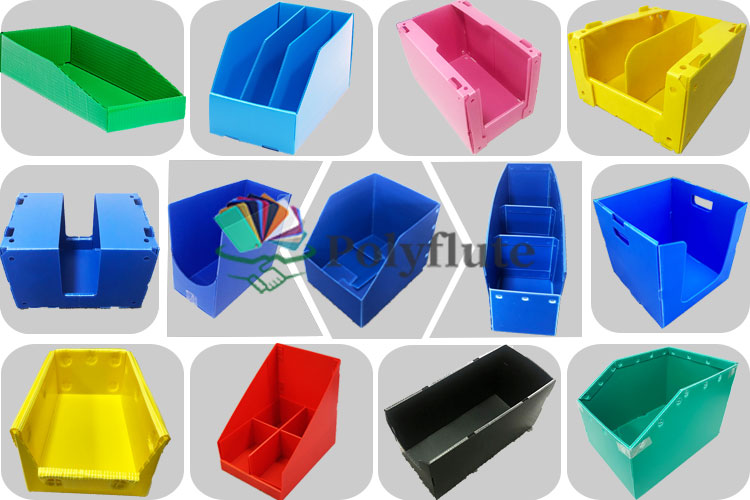
Selecting the best stackable picking bins for warehouses involves evaluating your inventory types, storage space, and picking workflow. From plastic picking bins for clean, lightweight storage to large stacking pick bins for oversized goods, the right mix will optimize both space usage and operational speed.
Well-chosen stackable picking bins can transform your warehouse layout, reduce wasted time, and improve worker safety — delivering a return on investment that far outweighs their purchase cost.