
- Sophia@polyflute.com
- +86 15162372874
- Mon - Sat 8:00-20:00
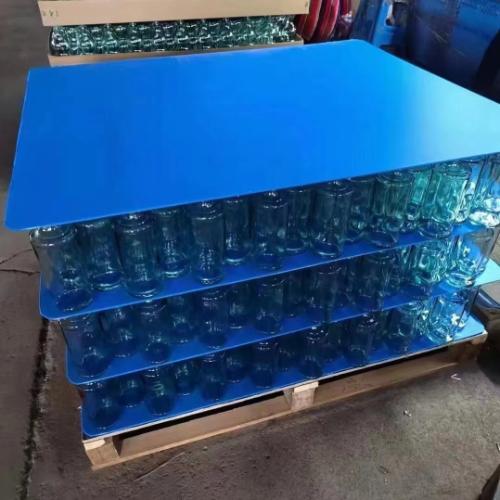
Plastic layer pads, also known as plastic separator sheets or PP layer pads, are essential components in modern logistics and packaging. They serve as intermediate layers between product tiers on pallets, ensuring stability, protection, and hygiene. Commonly used across industries such as food & beverage, pharmaceuticals, automotive, and FMCG, plastic layer pads play a crucial role in optimizing transportation and storage processes.
This article explores the core materials used in plastic layer pads, their various types, and the broad range of applications where they are used.

A plastic layer pad is a flat, thin, rigid sheet made from plastic materials—typically polypropylene (PP) or polyethylene (PE)—designed to separate and stabilize products on pallets during handling, storage, and shipping. These pads offer a lightweight yet durable alternative to traditional cardboard or fiberboard sheets and are reusable, waterproof, and easy to clean.
They are often used in returnable packaging systems and help maximize stacking efficiency, prevent product damage, and improve hygiene in supply chains.
The most common materials used to manufacture plastic layer pads include:
PP is the most widely used material for plastic layer pads due to its excellent combination of mechanical strength, chemical resistance, and low weight. Its rigid structure makes it ideal for load-bearing applications such as stacking glass bottles, PET containers, or metal cans. Moreover, PP is highly resistant to water, oils, acids, and cleaning chemicals—making it a perfect choice for hygienic, reusable, and returnable packaging systems, especially in food, beverage, and pharmaceutical industries.
Advantages of PP:
Polyethylene is sometimes used as an alternative where more flexibility or softness is required. While not as rigid as PP, PE layer pads still provide adequate support and can be more resistant to cracking under impact.
Types of PE used:
Advantages of PE:

To reduce cost and environmental impact, many manufacturers use recycled PP or PE in part or whole. These are ideal for non-critical applications where top-tier mechanical strength is not a priority.
Benefits:
| Feature | Polypropylene (PP) | Polyethylene (PE) |
|---|---|---|
| Rigidity | High | Medium (HDPE), Low (LDPE) |
| Impact Resistance | Good | Excellent (especially LDPE) |
| Chemical Resistance | Excellent | Good |
| Weight | Light | Very light |
| Recyclability | Yes | Yes |
| Cost | Moderate | Generally lower |
| Hygiene Suitability | Excellent | Good |
| Ideal Applications | Bottled drinks, pharmaceuticals, heavy-duty stacking | Flexible packaging, inserts, protective layers |
Plastic layer pads come in a variety of formats depending on the specific application and industry requirements. Choosing the right type can significantly enhance load stability, product protection, and overall logistics efficiency.
These are single-layer, rigid sheets usually made from polypropylene (PP). They offer strong structural support and are widely used in stacking bottled products such as carbonated drinks, juices, oils, and canned goods.
Key features:
Also called twin-wall or hollow sheet pads, these are made from corrugated polypropylene—similar in construction to corrugated cardboard but much more durable.
Applications:
Benefits:
These pads feature a special surface coating or embossed texture designed to enhance grip and minimize product movement during transit.
Ideal for:
Benefits:
These are tailored using precise die-cutting techniques to accommodate irregularly shaped or fragile products. Cut-outs and slots can hold components in place and prevent scratches or damage.
Used for:
Advantages:

Compared to cardboard or fiberboard layers, plastic layer pads offer several advantages:
Plastic pads can be reused hundreds of times without breaking or degrading, unlike cardboard which deteriorates after a few uses.
Plastic does not absorb moisture and resists chemicals, making it ideal for cold storage, wet conditions, or cleanroom environments.
While plastic pads have a higher upfront cost than cardboard, their reusability drastically reduces cost-per-use.
Despite being rigid and strong, plastic pads are lightweight, which helps reduce shipping costs and improves manual handling.
Many plastic pads are recyclable or made from recycled material, contributing to circular packaging systems.
They can be easily cleaned and sanitized, making them perfect for food and pharmaceutical supply chains.
Plastic layer pads are widely used across various industries due to their versatility and performance.
Typical use:
Advantages:
Use cases:
Key benefits:
Examples:
Why use plastic pads:
Applications:
Benefits:
Examples:
Advantages:

Plastic layer pads are often used in transit-ready retail displays (shelf-ready packaging) to separate and protect products before shelving.
Manufacturers often offer a range of customization features to adapt plastic layer pads to specific business needs.
Many companies are switching to plastic layer pads as part of their sustainability strategy. While plastic has environmental concerns, the long lifecycle and reusability of plastic pads contribute to reducing packaging waste.
Eco-friendly benefits include:
Some suppliers also offer closed-loop recycling, where damaged pads are collected and remanufactured into new ones.

Plastic layer pads are a smart, sustainable, and efficient solution for product separation, stacking, and protection across numerous industries. With their superior durability, hygiene, and customization capabilities, they are far more than just a replacement for cardboard—they are a key element of modern supply chains.
Whether you’re in the food & beverage sector, automotive logistics, or warehouse management, investing in high-quality plastic layer pads can lead to significant long-term savings, improved product safety, and enhanced operational efficiency.