
- Sophia@polyflute.com
- +86 15162372874
- Mon - Sat 8:00-20:00
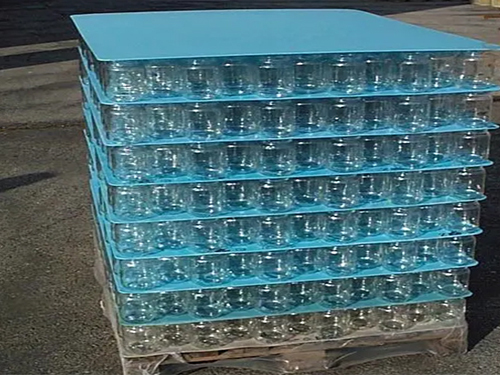
In today’s fast-paced logistics and supply chain industry, ensuring the safe, efficient, and organized transport of goods is paramount. One of the critical yet often overlooked components in this process is the pallet layer boards. These boards play a vital role in stabilizing loads, protecting products, and optimizing storage space during transportation and warehousing. This article will provide a comprehensive overview of pallet layer boards, their types, applications, advantages, and how they contribute to modern logistics.
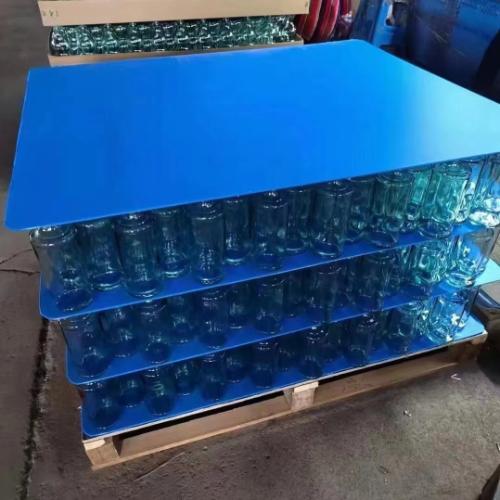
Pallet layer pads are flat boards used to separate layers of goods stacked on a pallet. Their primary purpose is to provide stability and protection to the items during transit or storage. These boards are placed between layers of products on a pallet to evenly distribute weight and prevent damage caused by compression or shifting.
Unlike the pallet itself—which supports the entire load from the bottom—pallet layer boards help create intermediate support layers that protect fragile or heavy items and maintain the overall integrity of the stack.
Logistics involves multiple stages, including transportation, warehousing, and distribution. In every step, the efficiency of handling goods depends largely on how well they are packed and protected.
Here, pallet layer pads serve several important functions:
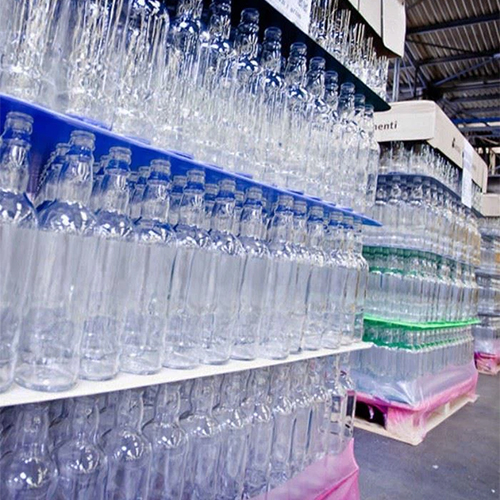
Pallet layer pads come in various materials and designs, tailored to different industrial needs. Below are the most common types:
Traditionally, wood has been the material of choice for pallet layer pads. Wooden boards are durable, strong, and relatively inexpensive. They are commonly made from plywood, solid wood planks, or composite wood materials.
Advantages:
Disadvantages:
Plastic pallet layer boards have grown in popularity due to their durability and resistance to moisture and chemicals. They are often made from high-density polyethylene (HDPE) or polypropylene (PP).
Advantages:
Disadvantages:
For lightweight goods, corrugated cardboard layer boards provide a cost-effective and recyclable solution. These are often used for packaging consumer goods or lighter industrial parts.
Advantages:
Disadvantages:
In some specialized applications, composite or foam boards are used to offer cushioning combined with layer separation. These are especially useful for highly fragile or sensitive products.
Selecting the appropriate pallet layer pads depends on several factors including the type of goods, weight, storage conditions, and budget.
Pallet layer boards are widely used across multiple industries:

Using pallet layer boards offers several advantages in logistics operations:
By distributing weight evenly across the pallet, layer boards help avoid shifting loads, reducing workplace accidents and damage during transport.
Layer boards act as a buffer between product layers, reducing the risk of crushing or deformation, which is especially important for delicate or perishable items.
With more stable stacking enabled by layer boards, companies can stack goods higher and make better use of warehouse space or shipping containers.
Though some types of layer boards have higher upfront costs (like plastic), the longer lifespan and reduced product damage translate into cost savings.
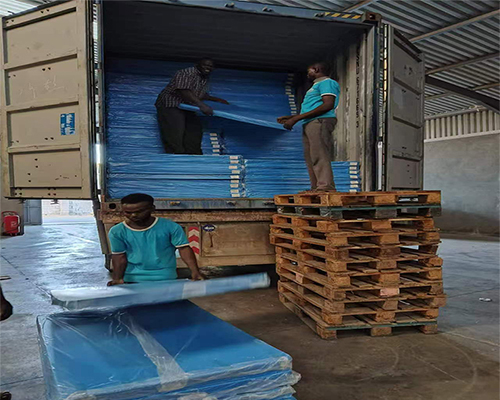
It’s worth clarifying the difference between pallet layer and pallet layer boards.
While related, the pallet layer boards are the protective intermediaries ensuring the pallet layers remain stable and intact.
The logistics industry is continuously evolving, and so are the materials and designs of pallet layer boards.
To maximize the lifespan and effectiveness of pallet layer boards, proper maintenance and handling are essential.

In the complex world of logistics and supply chain management, small components like pallet layer boards play an outsized role in ensuring safe, efficient, and cost-effective transportation and storage of goods. From traditional wooden boards to innovative plastic and composite materials, these boards provide stability, protection, and optimization for stacked pallets.
Understanding the types, functions, and best practices associated with pallet layer boards helps businesses improve their operational efficiency while protecting their valuable products. As the industry advances, continued innovation in materials and technology will further enhance the capabilities and sustainability of these essential logistics components.
For any company looking to optimize their pallet handling, investing in quality pallet layer boards is a smart and necessary step. Welcome to contact Polyflute for details!
https://shorturl.fm/Q9Aor
lh2ph9
fkz0xr
https://shorturl.fm/AvOOk
https://shorturl.fm/RKpjC
https://shorturl.fm/oofs6
Excellent blog!
You did amazing job.