
- Sophia@polyflute.com
- +86 15162372874
- Mon - Sat 8:00-20:00

In today’s fast-paced global supply chain, efficiency, sustainability, and smart space utilization are more important than ever. Whether you’re moving goods across town or around the world, collapsible shipping crates offer a powerful solution to cut logistics costs, streamline storage, and reduce environmental impact.
This in-depth guide explores everything you need to know about collapsible shipping crates—what they are, the different types available, where they’re used, their many advantages, and how to choose the best crate for your specific shipping and storage needs.

Collapsible shipping crates are reusable transport containers made from durable materials such as plastic, metal, or wood. Their most distinguishing feature is the ability to fold or collapse when not in use, significantly reducing their volume and saving space during return trips or storage.
Unlike traditional fixed-frame crates, collapsible versions are designed for multiple-use cycles and are widely adopted across various industries—from manufacturing and agriculture to retail and pharmaceuticals.
These crates typically include the following components:

Before diving into the types, it’s essential to understand why collapsible crates have become a preferred choice for modern logistics systems. Here are some of their core benefits:
The biggest advantage is the space-saving capability. When empty, collapsible shipping crates can be folded down to a fraction of their original size—often saving up to 70-80% of space in warehouses, containers, or vehicles.
This results in:
Though initial purchase costs might be higher than disposable containers, collapsible crates:
Over time, these crates often result in significant cost savings.
Made from recyclable materials and built for reusability, collapsible shipping crates help companies reduce packaging waste. Their long lifespan and reusable nature make them an environmentally responsible choice compared to single-use packaging.
Collapsible crates often come with ergonomic handles, interlocking sides, and forklift-compatible bases. This not only improves worker safety but also makes material handling faster and more efficient.
Many crates can be customized to suit specific needs:
Collapsible shipping crates come in a wide range of designs to serve different industries and applications. They vary in material, load capacity, durability, and even color coding—which can help with visual inventory management or process segmentation in warehouses and logistics networks. Below are the most common and practical types, along with an at-a-glance comparison table.
Description:
Plastic collapsible crates are durable, lightweight, and moisture-resistant. Available in solid or ventilated versions, they are ideal for fresh produce, dairy, meats, or cleanroom supply chains.
Color Coding Use:
Key Features:
Advantages:
Description:
Wire mesh collapsible crates are designed for rugged environments. They’re resistant to deformation, offer visibility of contents, and are compatible with forklifts and pallet jacks.
Color Coding Use:
Typically silver or black, but color-coded corner tags can be used to indicate material type or work zones (e.g., red = sharp metal, blue = finished parts)
Key Features:
Advantages:
Description:
These are robust and often compliant with ISPM-15 for international shipping. They can be flat-packed for return or storage and assembled with minimal tools.
Color Coding Use:
Usually natural wood tone, but many companies brand them with colored stencils for product categories or destination codes.
Key Features:
Advantages:
Material: Heavy-duty plastic (HDPE/PP) or composite polymer
Common Use: Industrial logistics, warehouse picking systems, automotive assemblies
Description:
These large containers—often 1000+ liters—are ideal for bulk material handling, especially in closed-loop supply chains. Frequently used in sectors with high-volume movement.
Color Coding Use:
Key Features:
Advantages:

| Type | Material | Common Use | Foldability | Stackable | Color Customization | Load Capacity |
|---|---|---|---|---|---|---|
| Plastic Crates | HDPE / PP | Food, Retail, Pharma | ✅ Easy | ✅ | ✅ Full | Medium |
| Metal Wire Containers | Steel / Aluminum | Industrial, Auto Parts | ✅ Moderate | ✅ | ⚠ Partial (tags) | High |
| Foldable Wooden Boxes | Plywood / OSB | Export, Fragile Goods | ✅ Hinged | ⚠ Limited | ✅ Branded Stencils | High |
| Bulk Collapsible Containers | Composite Plastics | Warehousing, Logistics | ✅ Quick | ✅ | ✅ Moderate | Very High |
Bonus Tip:
Many manufacturers offer custom colors and logos to align with your branding or warehouse color coding system. This not only enhances organization but can also support faster training for staff in large operations.
Choosing the right collapsible shipping crate depends on:
When selected and used strategically, these crates don’t just move goods—they help transform logistics into a leaner, cleaner, and smarter process.
Thanks to their versatility, collapsible shipping crates are used in a wide range of industries and operational environments:
Parts like gears, filters, cables, and body components are often shipped in collapsible crates due to their robustness and ability to withstand rough handling. Metal mesh and bulk plastic containers are common here.
Farmers use ventilated plastic collapsible crates to transport fruits, vegetables, and even live plants. These crates allow airflow and prevent product damage during long-distance haulage.
Retailers benefit from collapsible crates in both warehousing and in-store operations. Items are shipped in crates that can also be used for on-shelf display, then collapsed for return.
Cold-chain logistics demands hygienic and space-saving solutions. Foldable plastic crates meet food-grade standards and can be used in both chilled and frozen transport scenarios.
Collapsible crates ensure sterile, secure, and traceable transport for medicines, diagnostic kits, and medical devices, often equipped with RFID or barcode labels.
Foldable wooden crates are often preferred for exporting fragile or heavy items. They comply with international shipping regulations and offer solid protection for long hauls.
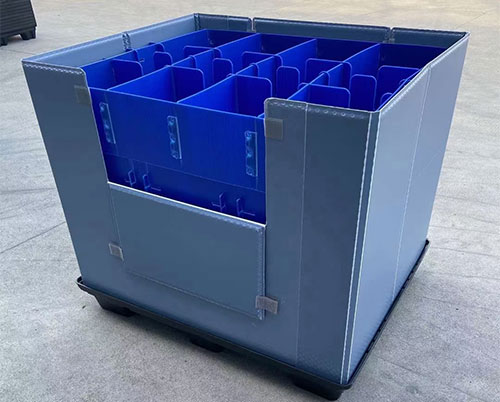
To fully understand collapsible shipping crates, it’s helpful to break down the typical design components:
When investing in collapsible shipping crates, consider the following factors:
Match the crate’s load rating to your application’s dynamic and static needs. Overloading can shorten the crate’s lifespan and create safety risks.
Ensure that the crate size fits standard pallet dimensions (e.g., 1200 x 1000 mm) for compatibility with racking systems, trucks, and containers.
Look for crates that fold quickly and easily. Consider if one-person folding is possible or if it requires multiple workers.
Evaluate whether the crate can withstand your operational environment—cold storage, outdoor transport, corrosive materials, etc.
Crates should be easy to clean if used in food or healthcare. Smooth inner surfaces and drain holes are desirable.
For international shipping, ensure the crate complies with ISPM-15 (for wooden crates), FDA standards (for food-grade crates), or other relevant regulations.
To get the most out of your collapsible shipping crates:
A leading European retailer replaced single-use cardboard boxes with collapsible plastic crates across its regional warehouses. As a result:
This case demonstrates the substantial operational and financial benefits of switching to collapsible shipping crates.
The future of collapsible shipping crates is being shaped by several innovations:
As logistics becomes more tech-driven, collapsible crates will play an even more central role in agile, sustainable supply chains.
Whether you’re shipping car parts, fresh produce, or retail goods, collapsible shipping crates provide a flexible, cost-effective, and eco-friendly solution to modern logistics challenges. Their versatility across materials and applications makes them indispensable in almost every industry.
By understanding the various types of collapsible crates—plastic, metal, wooden, and bulk—and their specific advantages, you can make smarter purchasing decisions that improve operational efficiency, reduce costs, and support sustainability goals.

Looking to enhance your logistics with collapsible shipping crates? Choose from a range of high-quality, customizable solutions that match your industry’s needs. Contact Polyflute today for a quote or to request a sample crate for testing. Polyflute offers a wide range of customizable, durable, and sustainable collapsible shipping crates for businesses across industries. Our team can help you choose the perfect solution tailored to your needs.
📧 Email: Sophia@polyflute.com
📞 Phone/WhatsApp: +86 15162372874
Let us help you optimize your logistics with the power of smart packaging.
**aqua sculpt**
aquasculpt is a premium metabolism-support supplement thoughtfully developed to help promote efficient fat utilization and steadier daily energy.
**boostaro**
Boostaro is a purpose-built wellness formula created for men who want to strengthen vitality, confidence, and everyday performance.
**back biome official**
Mitolyn is a carefully developed, plant-based formula created to help support metabolic efficiency and encourage healthy, lasting weight management.
**back biome**
Backbiome is a naturally crafted, research-backed daily supplement formulated to gently relieve back tension and soothe sciatic discomfort.
Truy cập vào link chính thức của 188v link để tải ứng dụng. Link này đảm bảo bạn có thể tải ứng dụng một cách an toàn và không gặp phải các vấn đề về bảo mật. TONY05-15