
- Sophia@polyflute.com
- +86 15162372874
- Mon - Sat 8:00-20:00

In the modern logistics and warehousing industry, efficiency, space optimization, and sustainability are essential. One solution that meets all three demands is the foldable transportation plastic pallet box folding. These innovative containers are becoming a preferred choice for businesses seeking cost-effective and eco-friendly storage and transport options.
In this comprehensive guide, we’ll explore everything about foldable transportation plastic pallet box folding, including their structure, benefits, applications, how they compare with traditional options, and what to look for when purchasing them.
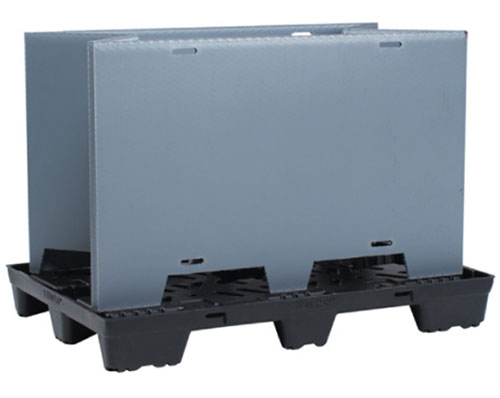
A foldable transportation plastic pallet box folding is a reusable, collapsible container designed for transporting and storing goods. Constructed from high-strength plastic materials such as HDPE (High-Density Polyethylene) or PP (Polypropylene), these boxes integrate the functionality of both a pallet and a container. Their ability to fold flat when not in use significantly reduces return logistics costs and warehouse space consumption.
These pallet boxes often feature reinforced bases, interlocking lids, and customizable side walls. They come in various sizes and styles to accommodate different industries and applications.
One of the greatest benefits is the ability to save space. When folded, the containers occupy significantly less volume, allowing more empty units to be returned or stored in a given area.
Though the upfront cost of a foldable transportation plastic pallet box folding may be higher than traditional packaging, they offer long-term savings through:
These pallet boxes are a sustainable packaging choice:
Designed to endure repeated use and rough handling, these containers outlast wooden alternatives and are more hygienic.
Forklift and pallet jack compatibility makes handling smoother and safer, reducing labor costs and product damage.

The foldable transportation plastic pallet box folding is widely used across many industries due to its versatility:
Automotive parts like engines, filters, bolts, and gears often require robust packaging. Foldable pallet boxes protect the contents and streamline storage at assembly plants.
With optional ventilation, these containers are ideal for fruits, vegetables, and other perishables. Their plastic material complies with hygiene standards and resists moisture.
Retailers use them for bulk shipments of clothes, electronics, and household items. Their collapsibility reduces reverse logistics costs.
Farmers and distributors use foldable plastic pallet boxes to transport produce efficiently while keeping items well-aired and intact.
For secure and clean storage, pharmaceutical suppliers prefer plastic pallet containers that are dust-resistant, washable, and durable.
From storing parts to moving finished products, manufacturers rely on these containers to organize and protect goods during internal and external transportation.
A key aspect of the foldable transportation plastic pallet box folding is its material. Most containers are made of:
Lightweight
Excellent fatigue resistance (perfect for folding mechanisms)
High impact resistance
Some boxes include metal reinforcements for added structural strength.
Smooth interior to prevent product damage
Ribbed exterior for stacking grip
| Feature | Wooden Crates | Cardboard Boxes | Plastic Pallet Folding Boxes |
|---|---|---|---|
| Durability | Low | Moderate | High |
| Foldable | No | Some | Yes |
| Reusability | Low | Low | High |
| Hygiene | Low | Moderate | High |
| Customization | Low | Moderate | High |
| Weight | Heavy | Light | Moderate |
| Cost Efficiency | Low | Moderate | High (long-term) |
Clearly, foldable transportation plastic pallet box folding options offer more advantages over traditional alternatives, particularly for long-term, high-volume operations.

Foldable plastic pallet boxes come in various types, each designed to meet specific storage, transportation, and operational needs. Understanding the different kinds available can help you choose the most suitable solution for your industry or business.
Collapsible bulk containers are large-capacity units designed to carry bulk materials or large quantities of goods. Their side walls can fold down into the base, significantly reducing their volume during return trips or when stored empty. These containers are typically used in:
Automotive parts transport
Agricultural produce logistics
Heavy industrial supply chains
They can handle high weight loads and are compatible with forklifts for easy handling. Some models feature drop-down doors for easier loading and unloading, especially when handling bulky or awkward items. The robust construction ensures long-term use even in harsh industrial environments.
Pros:
High load capacity
Excellent for bulk goods
Stackable when folded
Cons:
Larger footprint when expanded
Heavier than smaller models
Foldable crates are smaller, lightweight versions of the collapsible containers, primarily used in retail, e-commerce, and light manufacturing. These boxes are ideal for distributing items such as:
Clothing
Packaged foods
Household goods
Their compact size makes them easy to carry by hand, and they often feature ergonomic handles. Foldable crates are commonly seen in closed-loop logistics systems where containers are returned and reused regularly.
Pros:
Easy to handle
Cost-effective for small goods
Great for shelf-ready display
Cons:
Limited load capacity
May not be suitable for industrial use
Drop-door pallet boxes include one or more doors built into the side walls, allowing partial access to the contents without fully removing the lid or top layers. This design is particularly helpful in warehouse environments with limited space or for products that need selective access.
Common uses include:
Warehouse storage for SKUs with frequent picking
In-plant logistics where quick access is necessary
Pharmaceutical or medical supplies
Pros:
Easy access to goods
Reduces the need to unstack
Increases efficiency in order picking
Cons:
Slightly more expensive due to additional components
Moving parts may require maintenance
Ventilated pallet containers feature perforated or mesh walls to allow airflow. This is essential when transporting perishable goods like:
Fruits and vegetables
Flowers and plants
Dairy or live seafood (with liners)
Ventilation helps control humidity, reduce condensation, and prolong the shelf life of the items inside. These containers are made from food-safe plastic and are easy to clean, making them ideal for supply chains that demand high hygiene standards.
Pros:
Promotes airflow for perishables
Easy to wash and sanitize
Prevents mold or spoilage
Cons:
Less structural integrity than solid-walled boxes
Not suitable for small granular items
By understanding the strengths and specific applications of each type of foldable plastic pallet box, businesses can better match their logistics needs with the right container solution, ensuring greater efficiency and sustainability across operations.
When selecting a foldable transportation plastic pallet box folding, consider the following:
Understand the dynamic and static load requirements:
Dynamic Load: While moving with a forklift
Static Load: When stacked or stationary
Match the box size with your product dimensions and storage capabilities. Standard sizes include:
1200 x 1000 mm
1100 x 1100 mm
800 x 600 mm
Choose boxes with anti-slip corners and interlocking edges for safe vertical stacking.
Ensure folding joints are reinforced and tested for multiple folding cycles.
For industries like food or pharmaceuticals, prioritize smooth, washable surfaces.
If used in cold-chain logistics or outdoor settings, ensure the box tolerates high/low temperatures.
For international transport or food-related uses, look for:

Proper care extends the life of your foldable transportation plastic pallet box folding units.
With good maintenance, some containers last up to 10 years in commercial settings.
To better suit your operational needs, many suppliers offer:
Let’s take a closer look at how major sectors benefit from these containers:
With high turnover and quick product cycles, collapsible containers help manage stock rotation and reverse logistics efficiently.
Third-party logistics companies often provide packaging solutions; foldable plastic pallet boxes optimize their fleet’s capacity and minimize idle inventory space.
Water, beer, and soft drink suppliers utilize waterproof and hygienic plastic pallet boxes to store bottles and crates.
The global market for foldable transportation plastic pallet box folding is growing rapidly. Some notable trends include:
According to market research, the global reusable plastic container market is projected to surpass USD 4.5 billion by 2030, with foldable solutions representing a significant share.
An automotive supplier replaced wooden crates with foldable transportation plastic pallet box folding containers. Results included:
This illustrates the strong return on investment and operational benefits of switching to foldable pallet containers.
The foldable transportation plastic pallet box folding represents the next generation in logistics and warehouse efficiency. Whether you’re in retail, agriculture, automotive, or manufacturing, adopting these smart containers can dramatically improve your cost structure, sustainability goals, and overall supply chain performance.
As industries shift toward reusability, durability, and smart logistics, foldable pallet boxes stand out as a versatile, long-lasting solution.
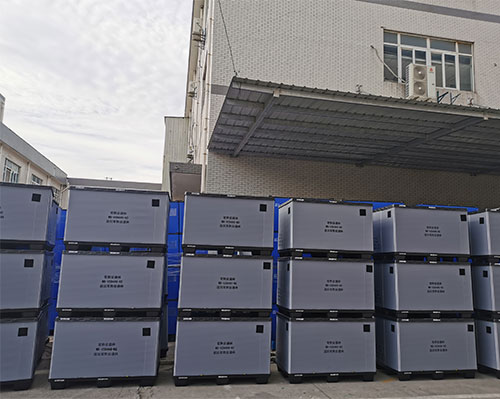
Looking to upgrade your logistics packaging? Consider switching to high-quality foldable transportation plastic folding containers tailored to your industry. Whether you need a standard solution or customized containers, investing in the right packaging infrastructure today can yield lasting benefits tomorrow.
Contact a trusted manufacturer or supplier, such as Polyflute to explore available options and request a free quote.
**mitolyn reviews**
Mitolyn is a carefully developed, plant-based formula created to help support metabolic efficiency and encourage healthy, lasting weight management.
**prostafense**
ProstAfense is a premium, doctor-crafted supplement formulated to maintain optimal prostate function, enhance urinary performance, and support overall male wellness.