
- Sophia@polyflute.com
- +86 15162372874
- Mon - Sat 8:00-20:00

In the ever-evolving world of logistics and warehousing, efficiency and space optimization have become more important than ever. This is where the collapsible plastic pallet box comes into play. From reducing transportation costs to maximizing warehouse space, this innovative packaging solution is transforming the way goods are stored and shipped. Whether you’re a supply chain manager, a warehouse operator, or a business owner dealing with bulk logistics, understanding the role of these containers can provide significant operational advantages.
In this article, we’ll dive deep into everything you need to know about collapsible plastic pallet boxes. We’ll cover their features, benefits, materials, industries using them, customization options, environmental advantages, common sizes, pricing factors, and tips for selecting the right box for your needs.

A collapsible plastic pallet box is a type of heavy-duty, reusable container designed for transporting and storing goods, especially in bulk. These boxes are characterized by their ability to fold or collapse when not in use, drastically reducing the space they occupy. Typically made from high-density polyethylene (HDPE) or polypropylene (PP), they are engineered to handle significant weight while remaining lightweight and easy to handle.
Unlike traditional wooden or metal pallets, these foldable pallet containers offer long service life, are resistant to moisture and corrosion, and are much easier to clean and maintain.
Here are some of the standout features that make these containers indispensable in modern logistics:
Space-Saving Design: These crates can be folded down to a fraction of their assembled size, allowing for efficient storage and reverse logistics. This helps free up valuable warehouse floor space and reduces return transport costs significantly.
Stackability: When fully loaded or collapsed, they can be safely and neatly stacked. This maximizes vertical storage capacity, ensuring better space utilization in storage facilities and during transportation.
Durability: Built from industrial-grade plastic, they are engineered to resist impacts, harsh weather conditions, moisture, and a wide range of chemicals. This makes them ideal for both indoor and outdoor use.
Access Doors: Many models feature hinged drop-down doors or side openings. These make it easy to access the contents even when boxes are stacked, improving efficiency during loading and unloading operations.
Customization Options: They can be tailored with RFID tags for smart tracking, barcode labels, ergonomic handles, drainage holes, anti-slip bases, or swivel casters. This makes them highly adaptable for different industries and workflows.
Compatibility with Forklifts: Designed with four-way forklift entry points, these containers are easy to maneuver using standard forklifts and pallet jacks, helping streamline logistics handling processes in warehouses, docks, and distribution centers.

Whether you’re transporting auto parts, agricultural produce, pharmaceuticals, or electronics, these collapsible solutions offer a range of benefits:
By collapsing after use, these containers reduce return shipping costs. Fewer trips are needed to move empty boxes, which translates to significant transportation savings.
In warehouses, folding plastic pallet crates help manage space more effectively. When not in use, they can be stored in a compact stack, freeing up floor space.
Unlike wooden pallets, which can harbor bacteria or absorb moisture, plastic containers are non-porous and easy to sanitize, making them ideal for food and pharmaceutical industries.
Because they are reusable and recyclable, collapsible pallet bins support eco-friendly operations. They reduce the need for single-use packaging materials and minimize waste.
Plastic foldable containers have smooth surfaces with no splinters, nails, or sharp edges, thus reducing the risk of injuries during handling.
These folding bulk boxes are utilized across a wide variety of industries, each benefiting from their durability and flexibility.
Auto manufacturers use them for storing and transporting parts like bumpers, engines, and interior components. The heavy-duty nature of the box allows it to handle substantial weight.
Farmers use collapsible pallet bins to carry fruits, vegetables, and grains. They offer good ventilation (when designed with mesh sides) and easy access to the contents.
Retailers use them for inventory movement between warehouses and stores. When empty, the containers are collapsed and returned, reducing logistics costs.
Pharma companies need clean, hygienic storage. Foldable containers provide that with smooth surfaces and easy sanitization.
Soft goods like clothing, linens, and fabrics are efficiently stored and moved in these containers, often with customized internal dividers.
Collapsible plastic pallet boxes come in a variety of sizes to accommodate different industrial and logistical needs. They are designed to provide optimal space usage while maintaining structural integrity. Here are some common dimensions found in the market:
| External Size (mm) | Internal Size (mm) | Volume (L) | Load Capacity (kg) | Folded Height (mm) |
|---|---|---|---|---|
| 1200 x 1000 x 975 | 1110 x 910 x 820 | 850 | 1000 | 300 |
| 1200 x 800 x 950 | 1120 x 720 x 820 | 700 | 800 | 280 |
| 1100 x 1100 x 980 | 1010 x 1010 x 820 | 880 | 1200 | 290 |
These sizes are compatible with standard pallets and are widely accepted in both domestic and international shipping systems. Larger models are often preferred in automotive or manufacturing sectors, while smaller units are suitable for retail distribution or food processing.
Additional specifications might include:
These options can be mixed and matched depending on the operational requirements of different industries, ensuring that each container performs optimally in its environment.
Modern businesses often need containers tailored to their workflow. Here are popular customization options:

The materials used in manufacturing these folding plastic containers are key to their performance:
Excellent impact resistance
Strong and lightweight
UV resistant
Suitable for outdoor use
Greater stiffness than HDPE
More resistant to fatigue
Performs well under repetitive use
Additionally, some models include steel reinforcements in the base and corners, enhancing load capacity and stack strength.
| Feature | Collapsible Pallet Box | Rigid Plastic Box |
|---|---|---|
| Storage Efficiency | High when folded | Low |
| Return Shipping Cost | Lower | Higher |
| Initial Purchase Price | Slightly higher | Slightly lower |
| Durability | Comparable | Comparable |
| Flexibility | Higher | Lower |
| Maintenance & Cleaning | Easy | Easy |
As you can see, while collapsible pallet bins may cost more initially, the long-term savings on space and transport often outweigh the upfront investment.
Sustainability is at the core of modern logistics. Using folding plastic pallet crates contributes to greener operations:
Reduces Carbon Emissions: Fewer trips mean less fuel consumption.
Minimizes Packaging Waste: Replaces cardboard boxes and wooden crates.
Recyclable Materials: At the end of their lifespan, most of these containers can be shredded and reprocessed into new products.

When selecting a collapsible plastic pallet box for your operation, consider these factors:
The cost of a collapsible plastic pallet box can vary significantly depending on:
As of 2025, pricing typically ranges from USD $80 to $200 per unit, depending on the configuration.
These boxes are widely available through:
When sourcing, always request samples or technical drawings, and verify whether the supplier offers warranty, after-sales service, and replacement parts.
A German car manufacturer replaced their wooden crates with folding plastic pallet containers, cutting warehouse space by 30% and reducing return shipping volume by 60%.
A farming cooperative in California adopted collapsible pallet bins for transporting produce. They now reuse the same containers for 8–10 harvest seasons, cutting packaging waste and operational costs.
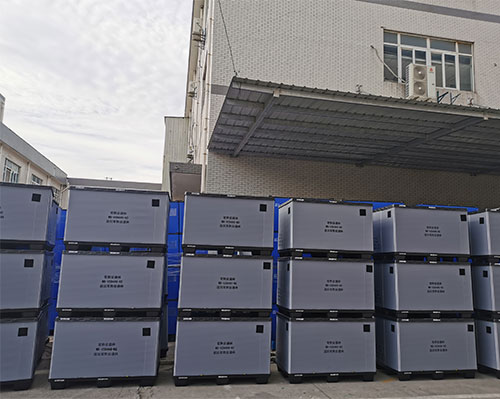
The collapsible plastic pallet box has become a game-changing tool in supply chain optimization. With their space-saving capabilities, cost efficiency, and durability, they’re rapidly replacing traditional packaging options in almost every sector—from automotive to agriculture.
Whether you’re looking to streamline warehouse operations or reduce logistics expenses, investing in foldable pallet containers is a strategic move for the future. Durable, hygienic, and environmentally responsible, these containers are more than just a trend—they’re a necessity for modern business logistics.
If you’re considering incorporating these bins into your operation, take time to assess your specific requirements and partner with a reliable manufacturer who can provide both quality and customization.
P.S. If you’re looking for a trustworthy supplier with flexible design options and competitive pricing, Polyflute—while known for plastic pallet boxes—also offers industrial-grade plastic packaging solutions tailored for modern logistics.