
- Sophia@polyflute.com
- +86 15162372874
- Mon - Sat 8:00-20:00

In an era where efficiency, space optimization, and sustainability are becoming paramount in logistics and storage, collapsible pallets systems are rapidly gaining traction. These innovative solutions offer versatility, durability, and significant cost savings across multiple industries. Whether you manage a warehouse, run a distribution center, or oversee global shipping, understanding the advantages of these stackable and foldable pallet systems can give you a competitive edge.
This comprehensive guide dives deep into everything you need to know about collapsible pallet systems—from types and materials to benefits and best practices.

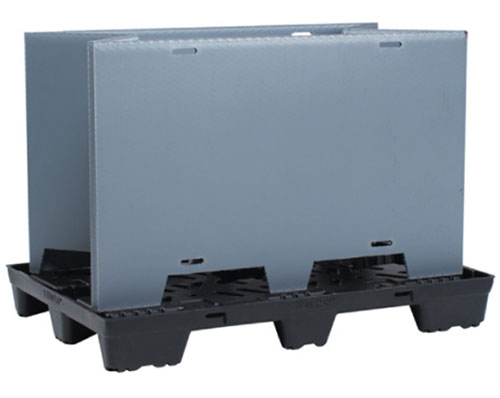
A collapsible pallet is a transport and storage unit that can be folded down to reduce volume when not in use. Typically designed with sidewalls that fold inward or downward, this system helps companies optimize return logistics and save warehouse space.
While traditional wooden pallets are static and require considerable space regardless of their use status, folding pallet systems can shrink down by 70%–80% of their original volume. This design is especially popular in closed-loop logistics systems where empty containers need to be returned regularly.
Alternative names include:
Investing in collapsible pallet systems can yield long-term operational and financial benefits. Here’s how:
Folding down unused pallets allows you to free up valuable warehouse real estate. When stacked, their collapsed profiles can reduce occupied volume by up to 80%, enabling you to fit more items in the same storage area.
Return logistics cost can be significantly reduced thanks to the compact size of folded units. This results in lower fuel consumption, fewer return trips, and reduced labor handling time.
Most collapsible models are made from high-density polyethylene (HDPE) or polypropylene (PP), materials known for their impact resistance and durability. This makes them ideal for high-volume industrial use.
Compared to traditional wooden pallets, plastic-based foldable pallet systems are non-absorbent and easier to clean. They are ideal for food, pharmaceuticals, and other hygiene-sensitive industries.
Since many foldable pallets are made from recyclable materials and offer extended lifespans, they contribute positively to sustainability goals. Reducing return trip frequencies also lowers carbon emissions.

The design and structure of these folding pallet containers can vary widely depending on their intended use, load capacity, and compatibility with supply chain requirements. Below are the most common types, along with their typical specifications and customization options.
These large-capacity units feature four hinged walls that can be folded down flat when empty. Most models come with secure lids and drop-down access doors, allowing for easier material handling and faster loading/unloading operations. This type is commonly used in automotive, chemical, and bulk material industries for parts storage and return logistics.
Available Sizes:
Color Options:
Load Capacity:
Also known as collapsible sleeve pack systems, this design consists of a pallet base, a foldable plastic (PP/HDPE) or corrugated sleeve, and a tight-fitting lid. The sleeve collapses between the base and lid when not in use, minimizing return freight volume. These are ideal for closed-loop supply chains, especially in electronics, consumer goods, and retail distribution.
Available Sizes:
Color Options:
Special Features:
Smaller and lighter than bulk containers, these are often referred to as folding plastic crates or bins. They are stackable, easy to fold, and designed for light to medium-duty applications. Industries like agriculture, e-commerce, and grocery logistics use these crates extensively for handling fruits, vegetables, and packaged products.
Available Sizes:
Color Options:
Advantages:
These robust pallet containers are engineered for industrial-grade performance. They can handle heavy or bulky materials, withstand harsh environmental conditions, and provide long-term reusability. Ideal for metal parts, engine assemblies, and hazardous goods.
Available Sizes:
Color Options:
Features:
The efficiency and durability of a collapsible pallet depend heavily on the materials used in its construction. Let’s explore the most common ones:
Known for impact resistance, flexibility, and UV stability, HDPE is the most common material for folding pallet systems. It is ideal for both indoor and outdoor use.
PP is slightly more rigid than HDPE, offering excellent chemical resistance. It is favored in industries dealing with oils, acids, and aggressive cleaning agents.
Used mainly in sleeve packs, corrugated plastic is lightweight and cost-effective. It provides good structural strength and is recyclable.
Some industrial-grade foldable pallets come with steel or aluminum reinforcement to enhance load-bearing capacity and stacking performance.
OEMs and Tier 1 suppliers rely heavily on collapsible containers to streamline the parts supply chain. Components like bumpers, dashboards, and engine parts can be transported safely and returned compactly.
Hygiene, temperature control, and efficient storage are paramount in the food industry. Folding plastic containers offer a sterile and reusable option for transporting produce, meat, and dairy products.
The pharmaceutical industry demands clean, traceable, and sealed solutions. Foldable pallet bins provide contamination-resistant storage for raw materials and packaged drugs.
With high product turnover and fluctuating volumes, collapsible plastic pallet crates help retailers manage stock efficiently while minimizing backhaul costs.
Farmers use foldable crates for harvesting, storage, and transport of fruits, vegetables, and flowers. Their stackability and foldability make field operations more manageable.

When evaluating the best collapsible pallet for your needs, consider the following key factors:
Determine both dynamic and static load requirements. Some pallets are suitable for light goods, while others are engineered for industrial loads exceeding 1000 kg.
Choose dimensions that align with your product sizes and storage racks. ISO standard footprints like 1200x1000mm or 1200x800mm are widely used.
Some folding pallets feature drop doors for easier access to goods. Wall height and strength can vary, so match this with your cargo’s nature.
Make sure the pallet materials can withstand your operating temperatures—especially for cold chain or outdoor storage environments.
Many manufacturers offer custom logo printing, RFID tracking, color variations, and other modifications tailored to your operational needs.
| Feature | Collapsible Pallet | Traditional Pallet |
|---|---|---|
| Space Saving | ✔ Foldable design | ✖ Fixed size |
| Weight | Medium to Lightweight | Heavy (wood/metal) |
| Reusability | ✔ High | Medium |
| Hygiene | ✔ Easy to clean | ✖ Prone to bacteria |
| Lifespan | Long (5+ years) | Shorter |
| Sustainability | ✔ Recyclable materials | ✖ Often disposable |
While traditional pallets still dominate some supply chains due to lower upfront costs, collapsible pallet systems offer significantly greater value over time. They help reduce warehouse congestion, lower return logistics costs, and support modern automation systems. Their cleanability and resistance to moisture or contamination also make them a superior choice for industries with strict hygiene or regulatory standards. Overall, collapsible models are a smart investment for companies seeking long-term efficiency and environmental responsibility.
To maximize the life of your foldable pallet containers:
Following these simple practices ensures your pallets remain reliable and safe for years.

Reliable collapsible pallet suppliers include manufacturers, distribution centers, and industrial e-commerce platforms. Look for vendors that:
Leading global manufacturers are found in regions like China, Germany, the U.S., and India. Some also offer OEM and ODM services tailored to specific industries.
The world of logistics is evolving fast, and so should your material handling systems. A collapsible pallet offers unparalleled advantages in efficiency, sustainability, and operational cost savings. Whether you run a global supply chain or a regional warehouse, switching to foldable pallet systems could significantly improve your bottom line.
As global trade grows and warehousing becomes more complex, space-saving logistics solutions are no longer optional—they are essential.
If you’re ready to upgrade your logistics with durable, hygienic, and cost-effective collapsible pallet systems, don’t hesitate to contact Polyflute for expert advice and customized solutions. We help businesses across sectors streamline operations with high-quality foldable pallets designed to last.
📧 Email: Sophia@polyflute.com
📞 Phone / WhatsApp / WeChat: +86 15162372874
Let us help you streamline your storage and transportation with reliable, sustainable, and efficient pallet systems.