
- Sophia@polyflute.com
- +86 15162372874
- Mon - Sat 8:00-20:00

In today’s fast-moving logistics, warehousing, and manufacturing sectors, businesses face growing pressure to improve efficiency while reducing costs and environmental impact. Packaging plays a crucial role in meeting these goals. One innovative solution gaining widespread adoption is the foldable plastic container.
Designed for durability, reusability, and space-saving convenience, foldable plastic containers enable companies to optimize storage and transportation like never before. Whether you’re a purchasing manager, logistics coordinator, or supply chain professional, understanding the benefits and options related to foldable plastic containers is vital.
This comprehensive guide will introduce you to everything about foldable plastic containers—from core features and material options to applications, customization possibilities, and how to find a reliable manufacturer or supplier. You’ll also learn about the latest industry trends and practical tips for maintenance.

A foldable plastic container is a robust storage and transport box made primarily from plastics such as polypropylene (PP) or high-density polyethylene (HDPE). The standout feature is its ability to fold or collapse flat when empty, allowing significant space savings during return transport or storage.
These containers feature engineered hinges and fold lines enabling the container walls and base to fold easily without losing strength or structural integrity when in use. Unlike traditional rigid plastic crates or cardboard cartons, foldable plastic containers blend the best of protection and efficiency.
Foldable plastic containers reduce their volume by up to 70-80% when folded. This is particularly advantageous for companies that must ship empty containers back for reuse—such as suppliers, distributors, and third-party logistics providers. Reduced volume means fewer trucks, lower fuel costs, and decreased warehousing expenses.
Made from high-grade plastics, foldable containers resist impacts, moisture, chemicals, and UV exposure. They protect goods better than cardboard or single-use packaging, making them ideal for demanding environments and repeated use.
By reusing foldable plastic containers over many cycles, companies significantly reduce packaging waste. Many are recyclable at end-of-life, and some manufacturers incorporate recycled content, supporting circular economy goals.
Available in many sizes and with customizable features such as ventilation holes, ergonomic handles, and secure lids, foldable plastic containers adapt to diverse industries, including automotive, food, pharmaceuticals, retail, and e-commerce.
| Material Type | Description | Advantages |
|---|---|---|
| Polypropylene (PP) | Lightweight, chemical resistant, recyclable | Food-safe, widely used |
| High-Density Polyethylene (HDPE) | Stronger, more impact resistant | Suitable for heavy-duty applications |
| Composite or Reinforced Plastics | Blends for specialized strength or anti-static | Tailored to specific industry needs |
| Feature | Description | Benefit |
|---|---|---|
| Foldable Hinges | Durable plastic hinges that enable folding | Long-lasting foldability without damage |
| Locking Mechanisms | Clips, snaps, or buckles to secure container | Stability and security during transport |
| Stacking Lugs | Built-in interlocking features | Safe and efficient stacking in warehouses |
| Ventilation Slots | Optional holes or slots for airflow | Ideal for fresh produce or temperature-sensitive goods |
| Handles | Molded or attached grips | Ease of handling and ergonomics |
| Custom Printing | Logos, barcodes, or instructions printed on container | Branding and traceability |
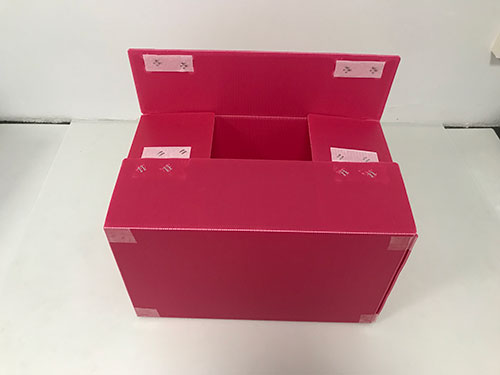
Foldable plastic containers have become indispensable tools across a wide range of industries. Their unique combination of durability, foldability, and versatility helps businesses streamline operations, improve efficiency, and reduce costs significantly. Below are some of the key industries and how they benefit from using foldable plastic containers:
| Industry | Application | Benefits |
|---|---|---|
| Warehousing | Inventory storage and order fulfillment | Space-saving due to foldability, stackable design enhances storage density, and durable construction withstands frequent handling. |
| Logistics & Shipping | Multi-use packaging, reverse logistics | Reduced freight volume lowers shipping costs on returns; sturdy protection ensures products arrive safely. |
| Retail & E-commerce | Shipping, returns processing | Easy handling improves processing speed; customizable branding helps reinforce company image; containers simplify returns management. |
| Food & Agriculture | Transport of fruits, vegetables, seafood | Ventilation options maintain freshness; hygienic, easy to clean surfaces ensure food safety; reusable nature reduces waste. |
| Automotive | Parts storage and assembly line transport | Protects delicate automotive components from damage; reusable containers support lean manufacturing and just-in-time delivery. |
| Pharmaceuticals | Safe handling and transport of medicines | Containers made from cleanable materials; anti-static options prevent damage to sensitive electronic medical devices or packaging. |
Warehousing: The ability to fold containers flat when empty maximizes warehouse space utilization, helping facilities to store more inventory or optimize floor space for other uses. Stackable containers ensure stability, preventing accidents and facilitating automation.
Logistics & Shipping: Foldable plastic containers are perfect for reverse logistics, especially in industries with frequent product returns or reuse of packaging. Their robust build protects goods during transit, reducing damage claims and increasing customer satisfaction.
Retail & E-commerce: The growing e-commerce sector demands flexible and reliable packaging solutions. Foldable containers reduce handling times at fulfillment centers and allow for easy returns processing. Additionally, their customizable appearance supports brand recognition, essential in competitive markets.
Food & Agriculture: Maintaining product quality during transport is critical in this sector. Containers with ventilation holes enable air circulation, preventing moisture buildup and spoilage. Their durability also reduces the risk of contamination and supports repeated use, aligning with sustainability initiatives.
Automotive: Precision and protection are essential when moving sensitive automotive parts. Foldable plastic containers provide impact resistance and organized storage, contributing to smoother assembly line workflows.
Pharmaceuticals: Handling medicines and medical devices requires containers that are cleanable and sometimes anti-static to protect sensitive products. Foldable plastic containers meet these demands while offering space-saving benefits during storage.
Choosing the right manufacturer or supplier is crucial to maximize the benefits of foldable plastic containers.
Look for suppliers with state-of-the-art injection molding and thermoforming equipment to guarantee precise, high-quality products.
Ensure the supplier holds ISO certifications and, if applicable, complies with food safety or pharmaceutical standards.
A reputable custom foldable plastic container manufacturer should offer tailored sizes, colors, printing, and special features such as RFID or anti-static coatings.
Choose suppliers known for timely delivery, responsive support, and flexibility to meet your changing demands.

Customization offers businesses the opportunity to optimize container performance while reinforcing brand identity and meeting specific operational requirements. Tailored solutions ensure containers fit perfectly with the products they carry, enhancing protection and minimizing wasted space.
Overall, custom foldable plastic containers enhance workflow efficiency by improving product protection, simplifying inventory management, and supporting sustainability initiatives through reusable and durable packaging solutions.
Proper maintenance extends the usability and value of foldable plastic containers. Follow these guidelines:
7.1 Regular Cleaning
Clean containers routinely with mild detergents and soft cloths to remove dirt and contaminants. Avoid abrasive cleaners or harsh chemicals that can degrade plastic surfaces.
7.2 Load Management
Adhere strictly to weight limits specified by the manufacturer. Overloading can stress hinges and walls, causing cracks or failure.
7.3 Inspection and Repair
Frequently inspect folding hinges, locking mechanisms, and container walls for signs of wear or damage. Early detection prevents operational disruptions.
7.4 Staff Training
Train employees on the correct folding and unfolding procedures. Proper handling reduces accidental damage and improves safety.
7.5 Storage Practices
When not in use, store containers folded in clean, dry environments away from direct sunlight or extreme temperatures to prevent material degradation.

The foldable plastic container market is evolving quickly, driven by technology and sustainability demands. Notable trends include:
8.1 Smart and Connected Containers
IoT integration allows real-time tracking of container location, temperature, and humidity, enhancing supply chain visibility and reducing loss or spoilage risks.
8.2 Eco-Friendly Materials
Manufacturers are developing containers from biodegradable plastics and post-consumer recycled materials, reducing environmental footprints while maintaining durability.
8.3 Modular and Hybrid Designs
Containers designed for seamless stacking and integration with pallets, shelves, and automation systems streamline warehouse operations and reduce handling times.
8.4 Industry-Specific Solutions
Specialized designs address unique challenges in sectors like food, pharmaceuticals, and electronics, including hygiene compliance and static protection.
Summary:
Keeping pace with these innovations helps businesses leverage foldable plastic containers not only for cost savings but also for competitive advantage and sustainability leadership.
An automotive supplier replaced disposable cardboard with foldable plastic containers, reducing packaging waste by 60%. Enhanced container durability cut product damage by 30%, lowering returns and improving customer satisfaction. Folded containers decreased return shipping costs by 40%. Custom sizing optimized warehouse space and assembly line efficiency.
A fresh produce distributor implemented ventilated foldable plastic containers to improve airflow, reducing spoilage rates by 25%. Containers were easy to clean, ensuring food safety compliance. Custom colors and branding facilitated sorting and increased visibility in retail settings.

Foldable plastic containers combine durability, space-efficiency, and sustainability, offering solutions for modern storage and logistics challenges. Choosing a reliable manufacturer or supplier, especially one providing custom foldable plastic containers, ensures your packaging aligns with business goals.
By adopting best practices in maintenance and embracing industry innovations, your company can reduce costs, improve product protection, and demonstrate environmental responsibility.
Invest in foldable plastic containers today to future-proof your operations and gain a competitive edge.
For high-quality, customizable foldable plastic containers tailored to your needs, contact Polyflute—the trusted manufacturer and supplier committed to delivering durable and cost-effective packaging solutions. Reach out now to discuss how we can support your business!
Contact Sophia at Polyflute:
Email: Sophia@polyflute.com
Phone/WeChat: +86 15162372874
WhatsApp: +86 15162372874
Reach out now to discuss how we can support your business!
Bài viết chia sẻ khá chi tiết, đặc biệt phần hướng dẫn về xn88 app ios rất hữu ích cho người mới bắt đầu. TONY07-20