Introduction
As global logistics and warehousing industries become more sophisticated, packaging efficiency and product protection are no longer optional—they are essential. A vital packaging component that often goes unnoticed but plays a crucial role in storage and transportation is the pallet sleeve.
In this comprehensive blog post, we will delve into everything you need to know about pallet sleeves box: what they are, the types available, their advantages, applications across industries, and how to choose the right pallet sleeve for your business. Whether you’re a logistics manager, warehouse operator, or a supply chain professional, understanding the value of pallet sleeves can help you optimize space, reduce costs, and protect your goods effectively.

1. What is a Pallet Sleeve?
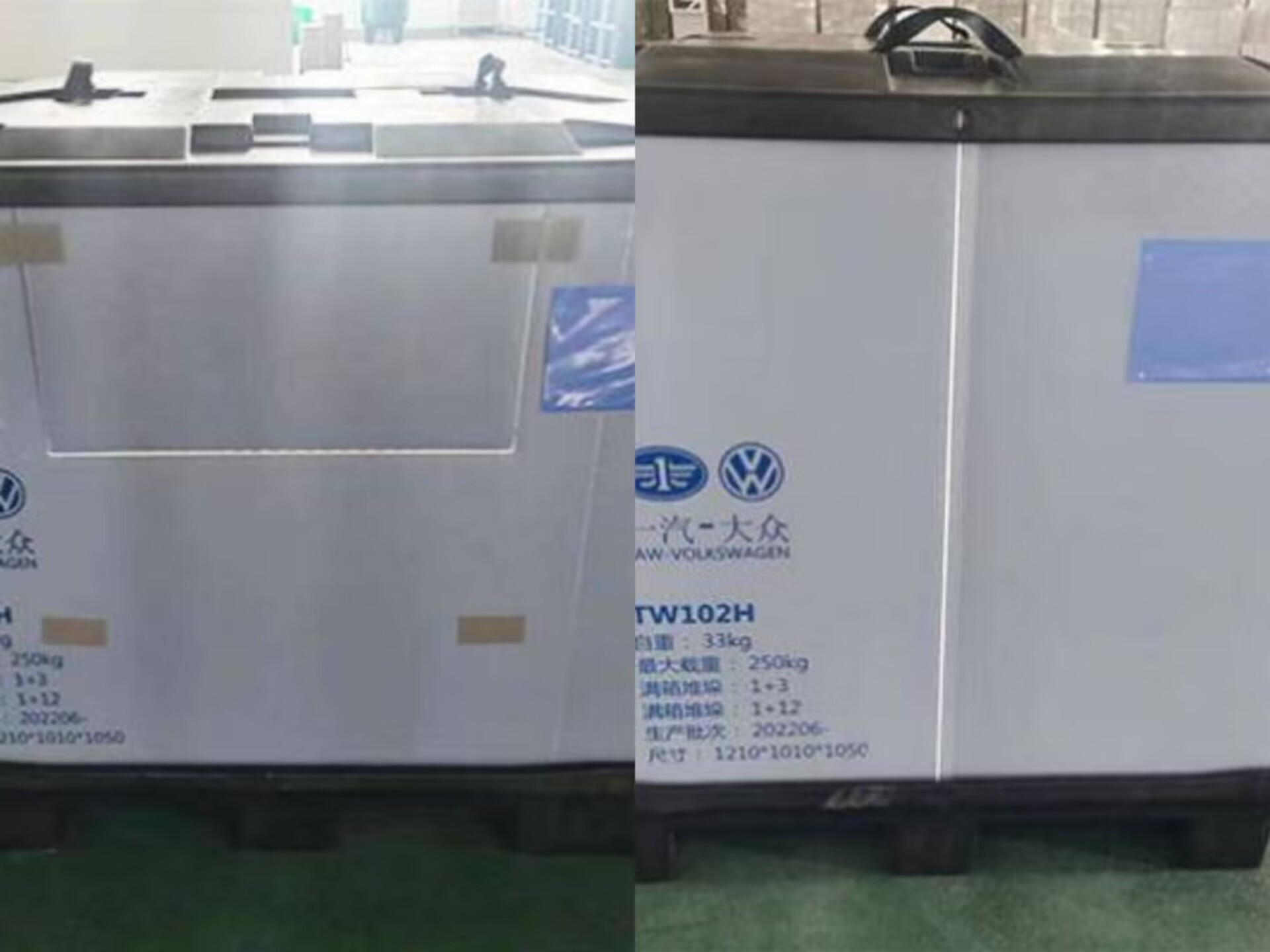
A pallet sleeve, also known as a pallet container sleeve or sleeve pack, is a protective enclosure placed around goods stacked on a pallet. It serves as a vertical structure, typically made from durable plastic or corrugated materials, and provides rigidity and protection to palletized goods during storage and transport.
The pallet sleeve works in conjunction with a pallet base and a top lid to form a sleeve pack system. This modular design creates a collapsible and reusable container that can easily be assembled or disassembled. Compared to traditional packaging methods like stretch film or cardboard boxes, pallet sleeves offer a more sustainable, reusable, and stable packaging solution.
2. Key Benefits of Using Pallet Sleeves
2.1 Enhanced Protection for Goods
One of the primary functions of a pallet sleeve is to protect the goods during handling, stacking, and transit. It creates a rigid wall around the products, minimizing movement and the risk of damage from external impacts.
2.2 Space-Saving and Foldable
Many pallet sleeves are designed to be foldable, allowing them to collapse into a flat panel when not in use. This feature significantly reduces the storage footprint and improves return logistics efficiency.
2.3 Environmentally Friendly
Unlike single-use packaging materials, pallet sleeves are reusable and recyclable, contributing to reduced packaging waste and promoting environmental sustainability.
2.4 Cost-Effective Over Time
Although the initial cost may be higher than stretch film or disposable boxes, pallet sleeves offer better return on investment over time due to their durability and reuse capability.
2.5 Customizable and Brandable
Pallet sleeves can be customized in terms of size, color, printing, and features such as handles or access doors. They can be branded with company logos or barcodes, enhancing professional appearance and inventory control.
2.6 Improved Warehouse Efficiency
Sleeve packs streamline stacking, labeling, and handling operations, improving workflow in warehouses and reducing packaging time and labor.

3. Types of Pallet Sleeves
Pallet sleeves come in a variety of materials, constructions, and functional features to meet the unique needs of different industries. Understanding the distinctions between these types is essential for selecting the most suitable sleeve system for your logistics operations.
3.1 By Material
| Material Type |
Description |
Use Case |
| Plastic (HDPE, PP) |
Rigid, impact-resistant, and waterproof. Highly durable and can be reused for dozens of cycles. |
Ideal for long-term, heavy-duty applications in automotive, industrial, or global shipping. |
| Corrugated Plastic |
Lightweight and moisture-resistant with decent structural rigidity. Easy to handle. |
Commonly used for seasonal logistics, retail supply chains, and lightweight items. |
| Twin Wall Polypropylene |
Made with two polypropylene sheets and a ribbed core, offering strength and flexibility. |
Often applied in medical and electronics industries due to its balance of durability and clean handling. |
| Foam Core Panels |
Consist of protective foam layers between plastic or cardboard faces. Provides excellent shock absorption. |
Preferred for delicate instruments, glass products, or high-value fragile goods. |
Each material offers unique trade-offs between strength, weight, cost, and reusability, allowing businesses to match the sleeve type with their operational priorities.
3.2 By Construction
- Fixed Height Sleeves: These are ideal for operations with standard pallet load sizes. With fewer moving parts, they are more durable and less prone to damage, making them a good fit for high-volume repetitive tasks.
- Adjustable Sleeves: These sleeves can be modified in height, either by telescoping sections or modular stacking, to accommodate a variety of load heights. This flexibility makes them highly valuable in warehousing environments with varying product sizes.
- Collapsible Sleeves: Designed to fold down flat when empty, collapsible sleeves are highly efficient for return shipping and warehouse space management. They help reduce backhaul costs and are perfect for closed-loop logistics systems.
3.3 By Functional Features
- Anti-Static Pallet Sleeves: Manufactured with electrostatic dissipative materials, these sleeves protect sensitive electronic components from static charges. They are essential in environments such as chip manufacturing and PCB transport.
- UV Resistant Sleeves: These sleeves contain additives or coatings to block harmful UV rays, ensuring that products stored outdoors or in sunlit warehouses are not degraded over time.
- Fire-Retardant Sleeves: Designed to comply with fire safety standards (e.g., UL94), these sleeves are critical for storing or transporting flammable materials or for use in sensitive environments like aircraft or chemical plants.
Together, these classifications allow pallet sleeves to be precisely tailored to logistics scenarios ranging from high-speed automation lines to rugged outdoor storage, offering a powerful combination of protection, sustainability, and operational efficiency.
4. How to Choose the Right Pallet Sleeve
Selecting the most appropriate pallet sleeve depends on several factors. Here’s a step-by-step guide:
4.1 Assess Your Product Requirements
- Dimensions: Measure the height, width, and depth of your pallet loads.
- Weight: Ensure the sleeve’s structural integrity matches the weight of the goods.
- Fragility: Opt for sleeves with internal padding or rigid walls for fragile items.
4.2 Consider Environmental Conditions
- Will the sleeve be exposed to rain, heat, or direct sunlight?
- Will it be used in cold storage or cleanroom environments?
- Do you need fire-retardant or anti-static properties?
4.3 Analyze Handling Requirements
- Will the sleeves be handled manually or via automation?
- Is collapsibility important for return logistics?
- Do you need access doors, label holders, or windows?
4.4 Budget and Sustainability Goals
- Determine ROI by comparing upfront cost versus reuse cycles.
- Explore recycled or recyclable material options to align with green policies.
5. Applications of Pallet Sleeves Across Industries
5.1 Automotive Industry
Automotive suppliers use pallet sleeves to ship bulky parts like bumpers, panels, and assemblies. The reusable sleeves provide excellent protection and can be returned for reuse, reducing packaging waste.
5.2 Electronics and Semiconductors
Anti-static pallet sleeves protect circuit boards and sensitive components from static discharge. Cleanroom-compatible sleeves are also used in high-tech environments.
5.3 Pharmaceutical and Medical Sectors
These industries require sanitary and secure packaging. Plastic pallet sleeves are ideal for transporting medications, medical devices, and surgical kits in sterile conditions.
5.4 Retail and FMCG
Retailers benefit from printed sleeves that display branding and product information. They’re often used for bulk transport from warehouses to stores.
5.5 Agriculture and Food Industry
Pallet sleeves with ventilated panels are used to transport produce, dairy, and beverages. Washable materials help maintain hygiene standards.
5.6 E-commerce and Logistics Hubs
Sleeves reduce the need for excess packaging in fulfillment centers and streamline last-mile delivery processes. Foldable sleeves are returned to distribution centers for reuse.
6. Installation and Handling Guidelines
6.1 How to Assemble a Pallet Sleeve Pack
- Place the pallet sleeve on the base pallet.
- Unfold or expand the sleeve vertically around the load.
- Align and secure corners if required.
- Place the top lid to complete the enclosure.
- Optional: Use straps, clips, or buckles for additional security.
6.2 Storage and Maintenance Tips
- Store sleeves flat when not in use.
- Clean using mild detergent and water.
- Avoid overloading beyond weight limits.
- Inspect regularly for damage, tears, or warping.
7. Comparison: Pallet Sleeves vs Traditional Packaging
| Feature |
Pallet Sleeve |
Stretch Film |
Cardboard Boxes |
| Reusability |
High – designed for multiple cycles and long-term use. |
Low – single-use and disposable. |
Medium – can be reused a few times if not damaged. |
| Cost (Long-Term) |
Low – initial investment pays off over repeated uses. |
High – recurring purchase required for each shipment. |
Medium – affordable upfront but degrades quickly. |
| Environmental Impact |
Low – reduces packaging waste and supports green logistics. |
High – generates large amounts of plastic waste. |
Medium – recyclable but not durable. |
| Protection Level |
High – rigid walls offer excellent physical protection. |
Low – minimal resistance to impact or crushing. |
Medium – provides moderate protection but vulnerable to moisture. |
| Setup Time |
Fast – quick to assemble or collapse, saving labor time. |
Medium – requires time to wrap manually or by machine. |
Slow – involves folding and taping each box. |
| Customization |
High – fully brandable and feature-rich (handles, windows). |
Low – limited options for labeling or branding. |
Medium – some customization possible through printing or design. |
This comparison clearly shows that pallet sleeves outperform traditional packaging methods in long-term efficiency, sustainability, and product protection—especially in industries aiming for scalable and eco-conscious operations.
8. Market Trends and Innovations
8.1 Smart Pallet Sleeves with RFID
RFID-enabled pallet sleeves are gaining popularity. They allow real-time tracking of products, automate inventory management, and improve traceability in supply chains.
8.2 Biodegradable and Recycled Materials
To meet environmental regulations, manufacturers are developing pallet sleeves made from biodegradable polymers and 100% post-consumer recycled plastic.
8.3 Modular and Hybrid Designs
Some sleeves now feature modular sidewalls, reinforced corners, and detachable panels. These innovations allow one sleeve to be adapted for multiple product types.
8.4 Integration with Automated Warehousing
Modern warehouses are increasingly using robot-friendly pallet sleeve systems, which support robotic stacking, de-stacking, and palletizing operations.
9. Real-World Success Stories
Case Study 1: Automotive Supplier in Germany
A major auto parts manufacturer switched from wooden crates to collapsible pallet sleeves for shipping components across Europe. They reduced return shipping costs by 35% and eliminated over 1,000 tons of packaging waste annually.
Case Study 2: Food Logistics Company in the USA
A cold chain logistics firm adopted ventilated pallet sleeves for transporting dairy products. With better airflow and washability, product spoilage decreased by 20%, and hygiene compliance improved significantly.
10. Frequently Asked Questions (FAQ)
Q1: Are pallet sleeves recyclable?
Yes, most are made from HDPE, PP, or corrugated plastic, all of which are recyclable materials.
Q2: Can pallet sleeves be used in cold storage?
Yes, many pallet sleeves are designed to function in low-temperature environments, including freezers.
Q3: How many times can a pallet sleeve be reused?
A quality pallet sleeve can last for over 50 to 100 uses depending on the material and handling conditions.
Q4: Are pallet sleeves compatible with forklifts and pallet jacks?
Yes, they are designed to be forklift and pallet jack friendly, with open sides or fork entry slots.
Conclusion
Pallet sleeves represent a powerful, cost-effective, and eco-conscious alternative to traditional pallet packaging. From reducing packaging waste to protecting high-value goods and improving warehouse efficiency, they offer tangible advantages for businesses across sectors.
As sustainability, automation, and smart logistics continue to evolve, the role of pallet sleeves in modern supply chains will only become more central. Whether you’re looking to reduce operational costs, increase safety, or align with green initiatives, adopting pallet sleeves could be one of the most impactful steps your logistics team takes this year.
If you need further assistance in selecting or customizing pallet sleeves for your operations, feel free to reach out Polyflute—we’ll be happy to help you build a smarter packaging solution.
| Welcome to contact us now.
We will get back to you within 8 hours. We will offer latest price and free sample.